How to Integrate Shortcut with Fireflies
Last updated: August 26, 2026
Ready to streamline your workflow and turn meeting insights directly into trackable tasks? Integrating Shortcut with Fireflies means you'll automatically transform key discussion points captured by Fireflies into ready-to-work stories right in your Shortcut workspace.
Let's get this set up! 🚀
🔍 What Does the Integration Do?
This integration helps you make sure that the important to-dos from your meetings never slip through the cracks. Fireflies will automatically create and send stories to your Shortcut account based on the action items it spots in your meeting transcripts!
🔑 Prerequisites
First things first, let’s make sure you have what you need. All it takes is:
A Fireflies Account → An active Fireflies account with integration permissions enabled.
A Shortcut Account → You’ll need an active Shortcut account with the right permissions to add integrations.
🔗 Connect Fireflies to Shortcut
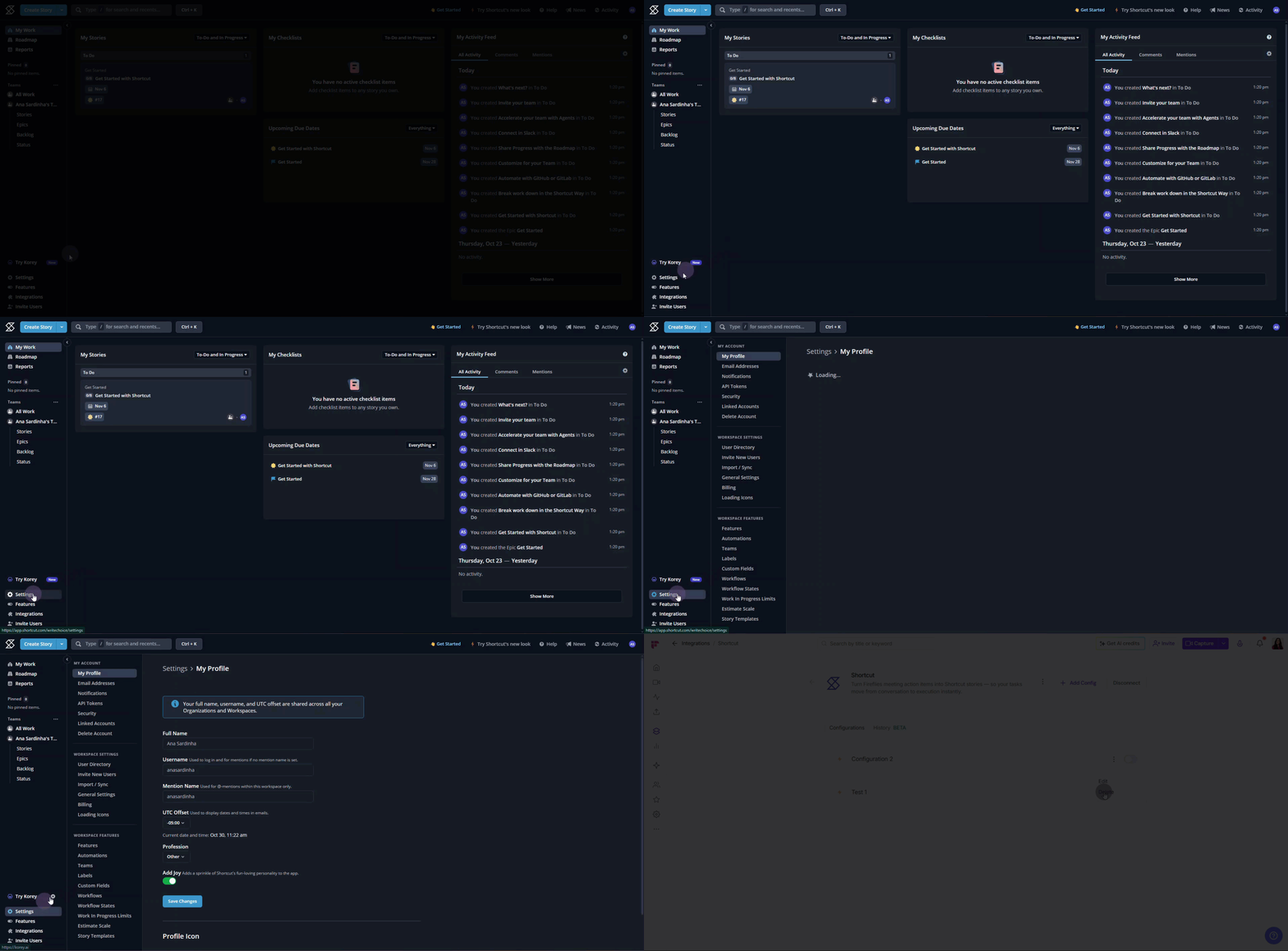
Step 1: Access API Token Settings
Here, you’ll navigate through the Shortcut interface to find where you can generate an integration key. Go to the Shortcut dashboard.
Step 2: Navigate to Settings
Select Settings within the dashboard menu.
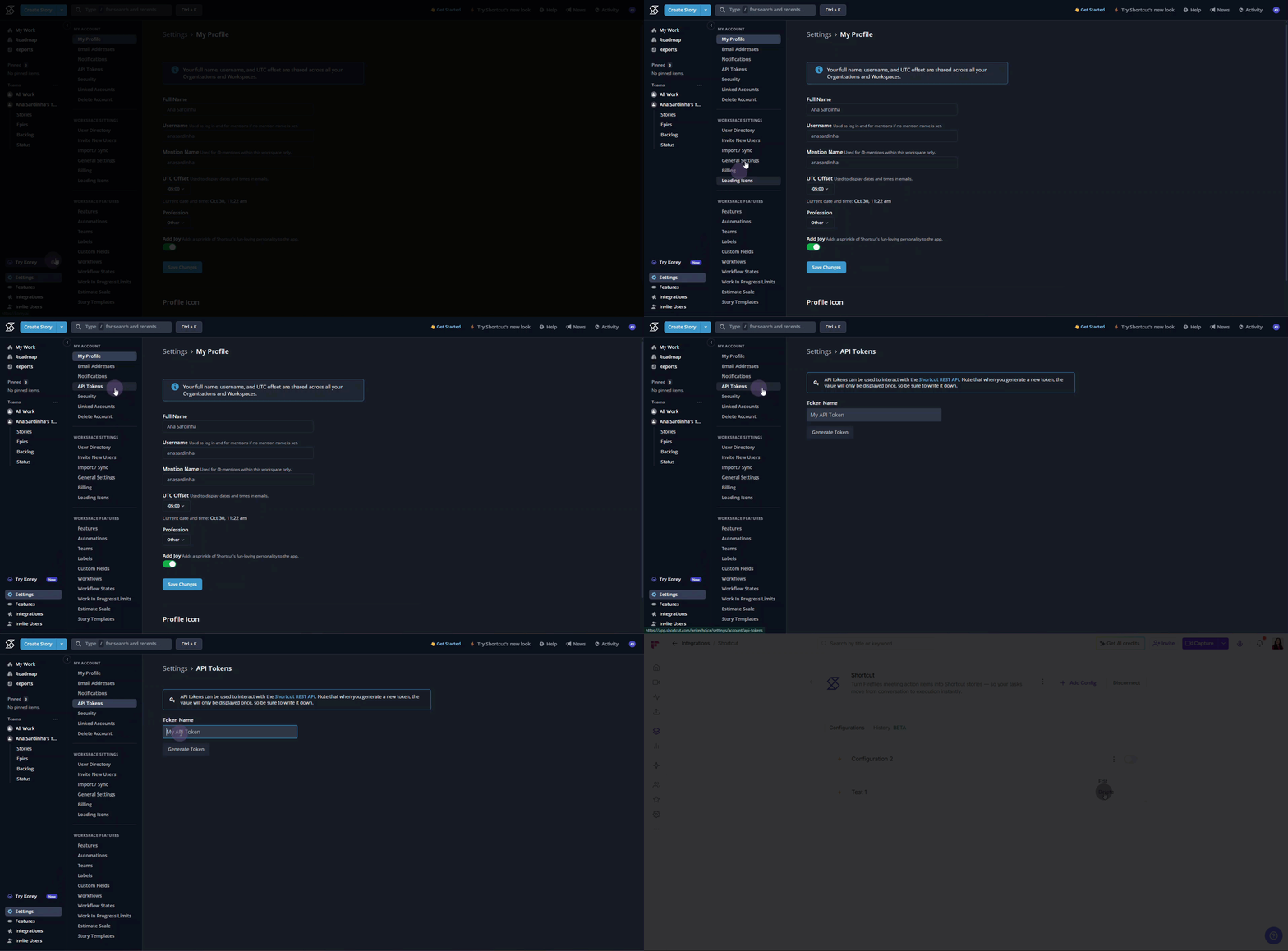
Step 3: Open API Token Management
Click API Token to view the token generation area.
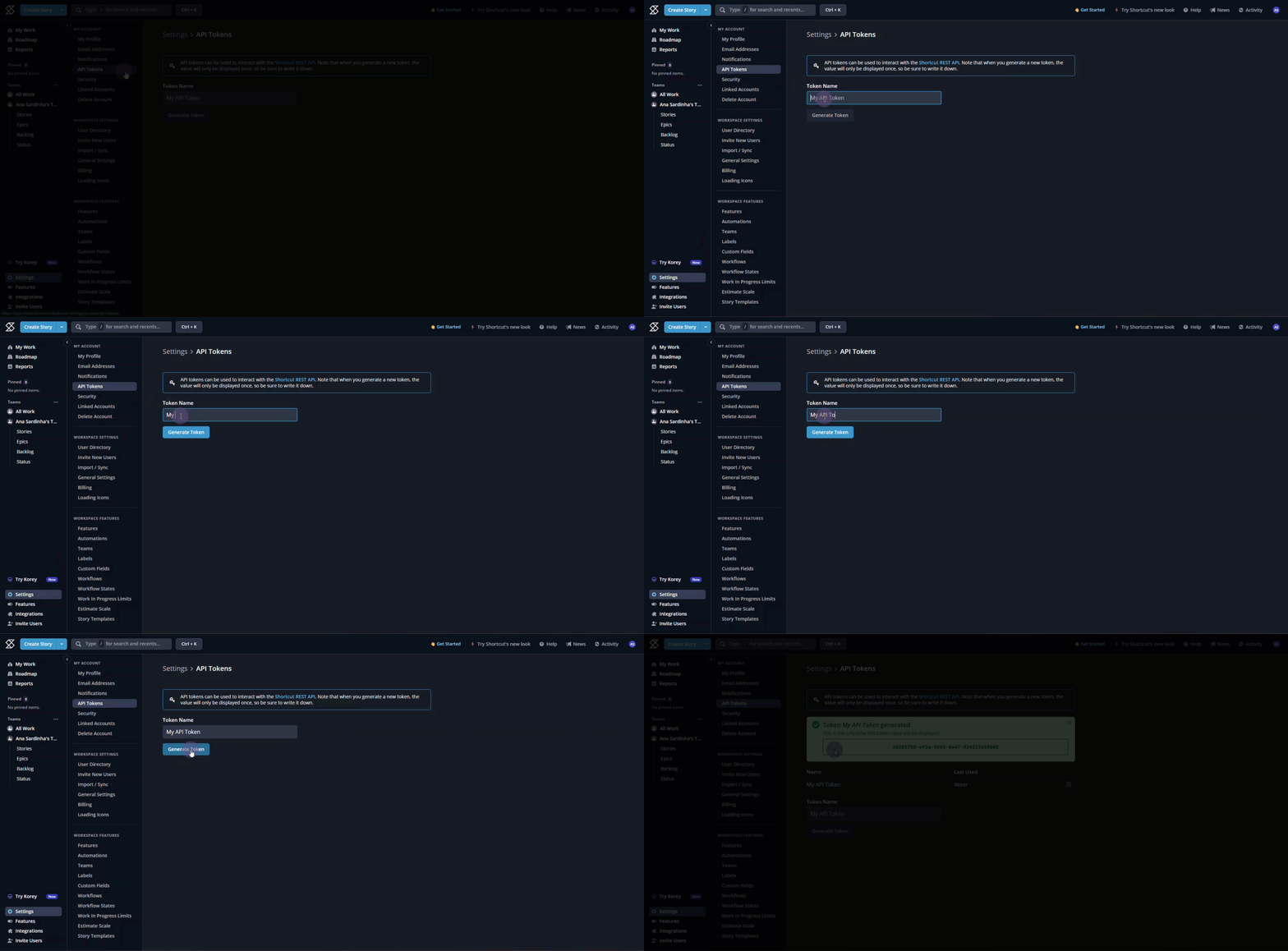
Step 4: Generate a New Token
Now it’s time to create the unique key Fireflies needs to communicate securely with Shortcut. In the text box that appears, enter a name for your API key (e.g., Fireflies Integration). Click Generate Token.
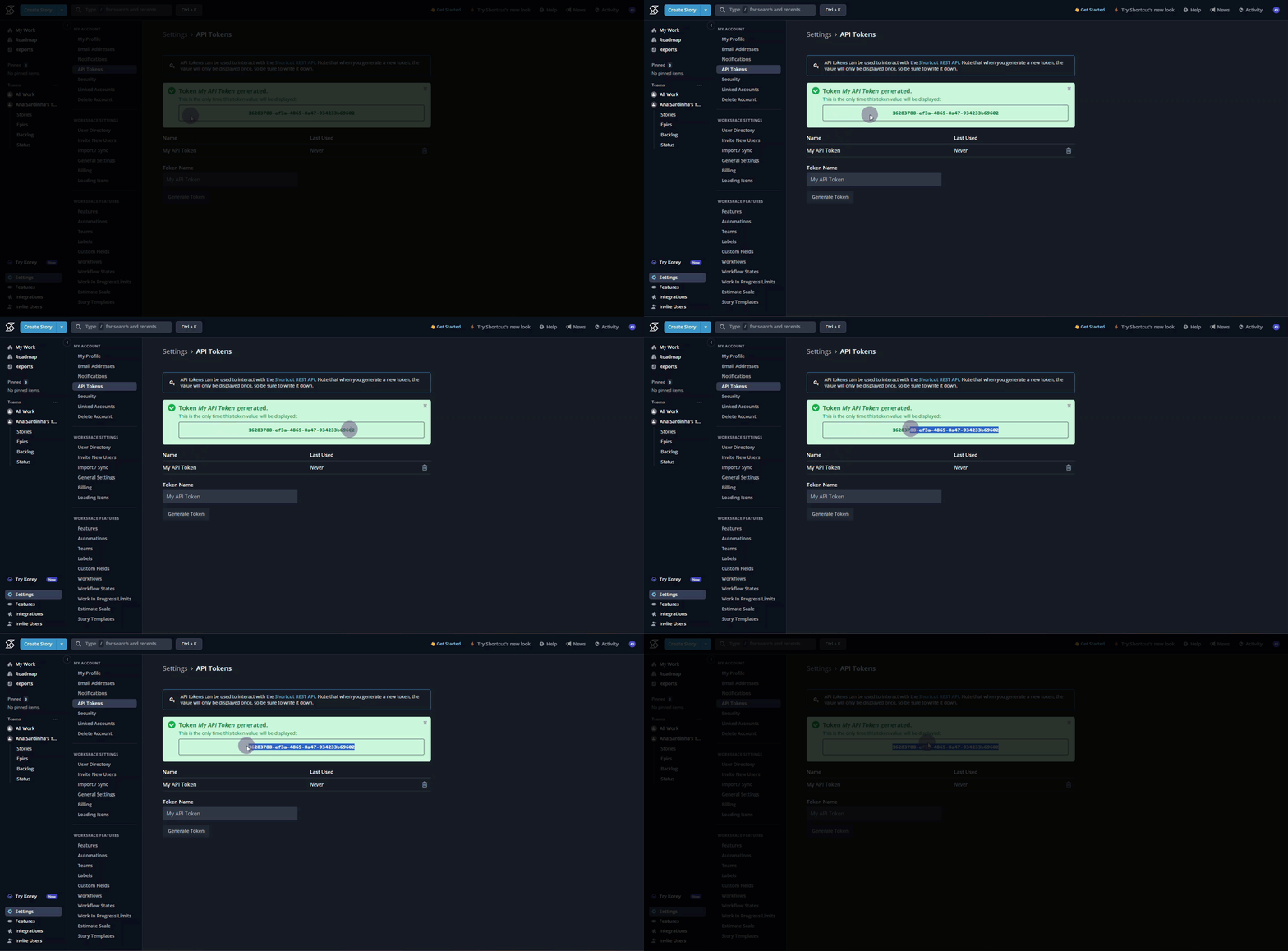
Step 5: Copy the Token
This is the critical credential you need to save immediately before proceeding to Fireflies. Copy the API Token that appears immediately.
Step 6: Navigate to Fireflies Integrations
Switching now to Fireflies, you need to find the correct section to link to your Shortcut account. From the Fireflies dashboard, select Integrations in the left-hand menu.
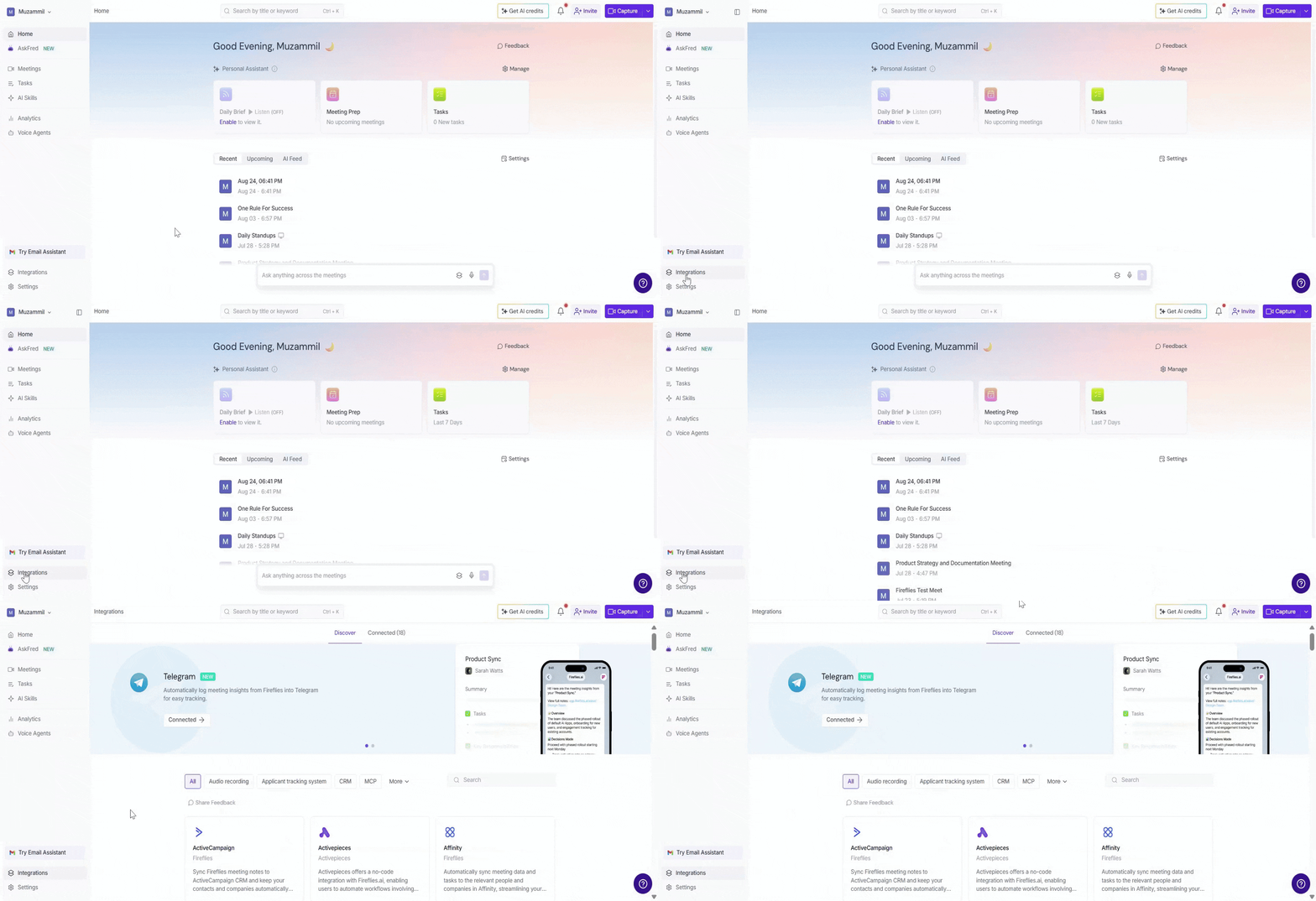
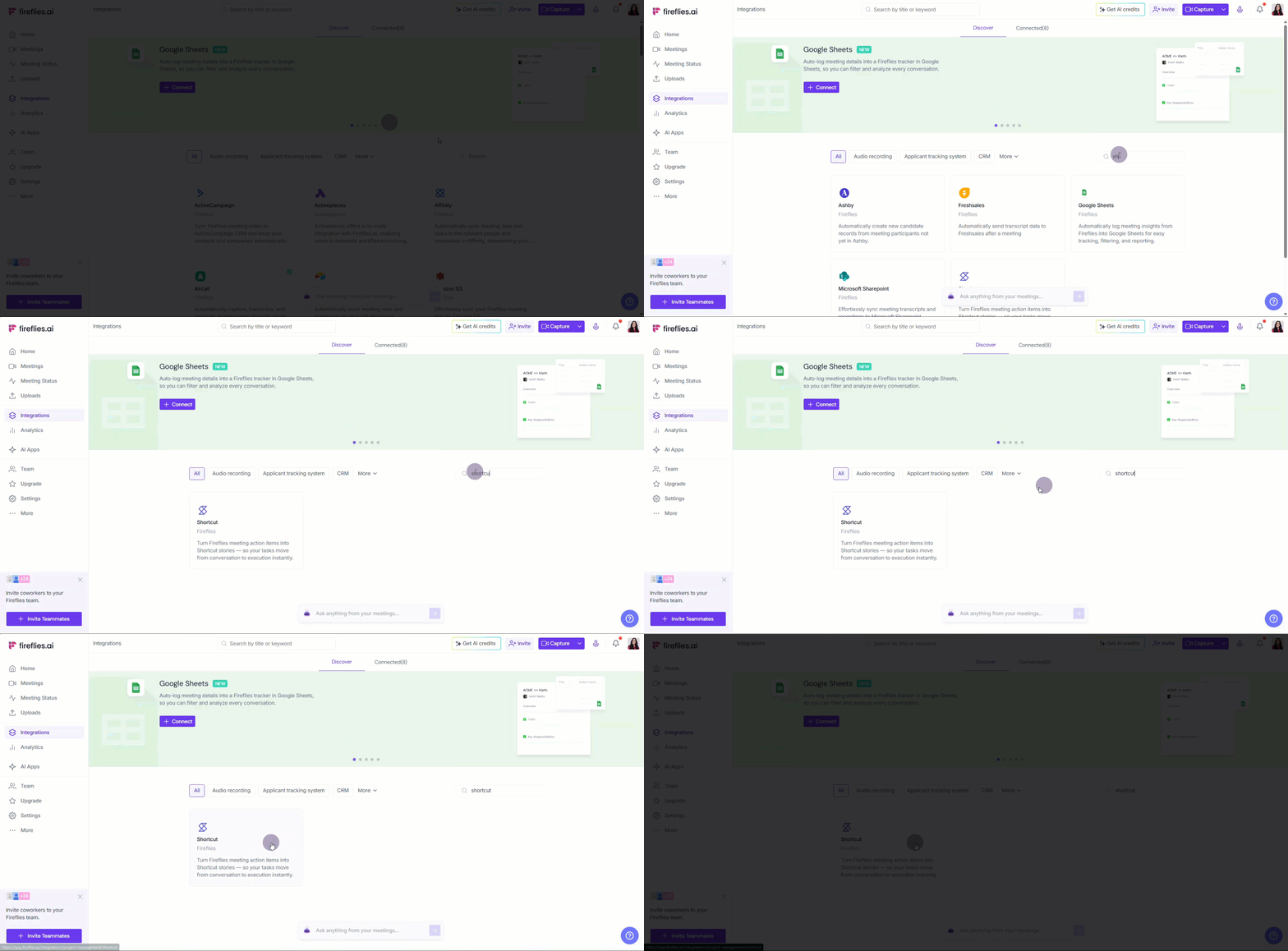
Step 7: Open the Shortcut Integration Screen
Search for and select Shortcut.
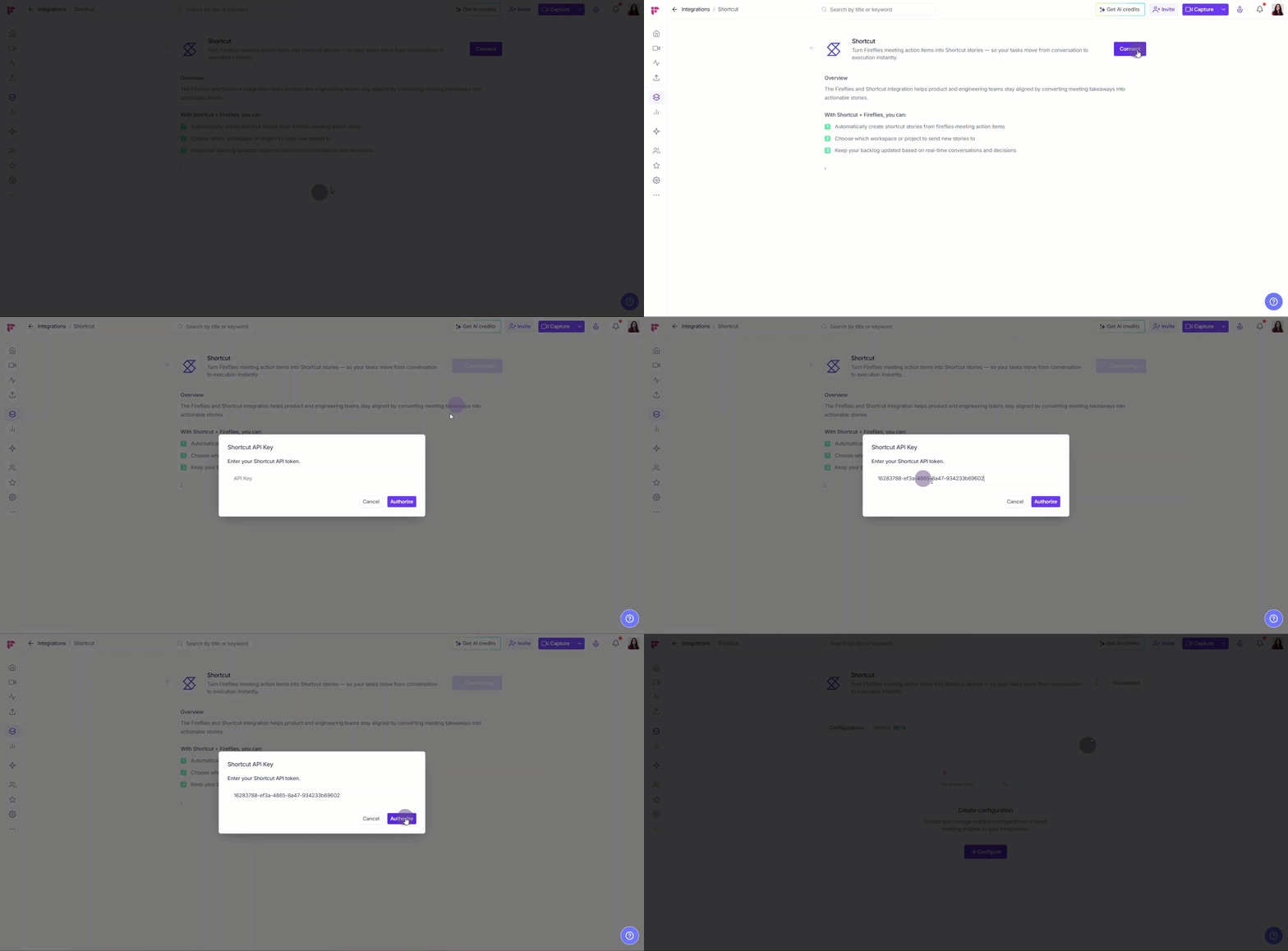
Step 8: Initiate Connection
Select Connect, then provide the key you generated to Fireflies to establish the live link between the two services. Click Authorize to grant Fireflies access to your Shortcut account.
⚙ Set Up Default Configuration
After authorizing the connection, tell Fireflies where to send your notes and under what conditions it should join your meetings.
Select + Configure to create a configuration in the Default Configuration side panel.
Then, in the Default Configuration side panel, make the following selections:
Step 1: Select Destination Team
Select the specific team in Shortcut where you want Fireflies to send the new tasks.
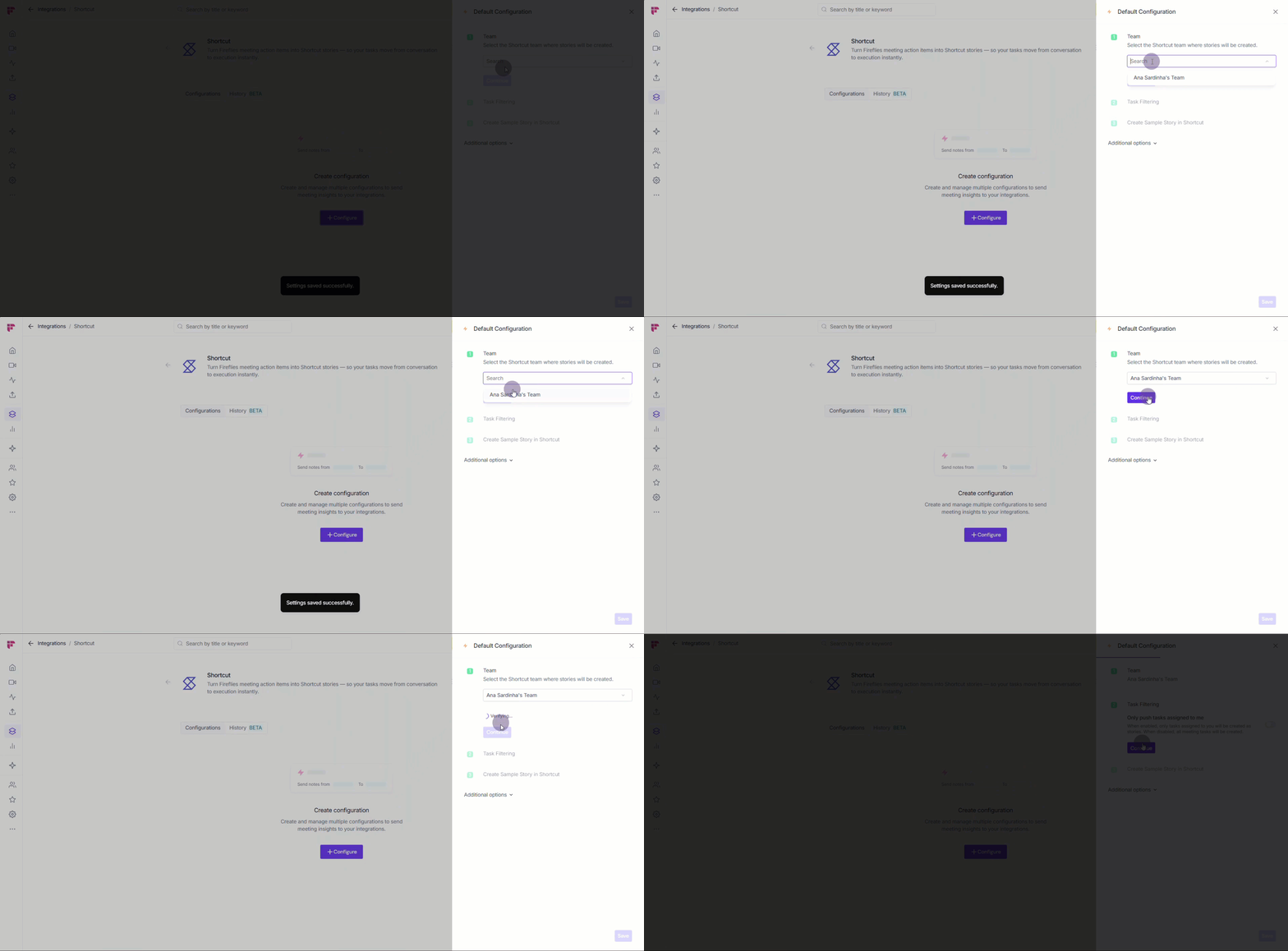
Step 2: Configure Task Filtering
Enable/Disable Only filter and create tasks assigned to me. This setting determines which tasks Fireflies creates in Shortcut:
When enabled, Fireflies filters and only creates tasks specifically assigned to you during the meeting.
If disabled, Fireflies creates all meeting tasks identified in the discussion.
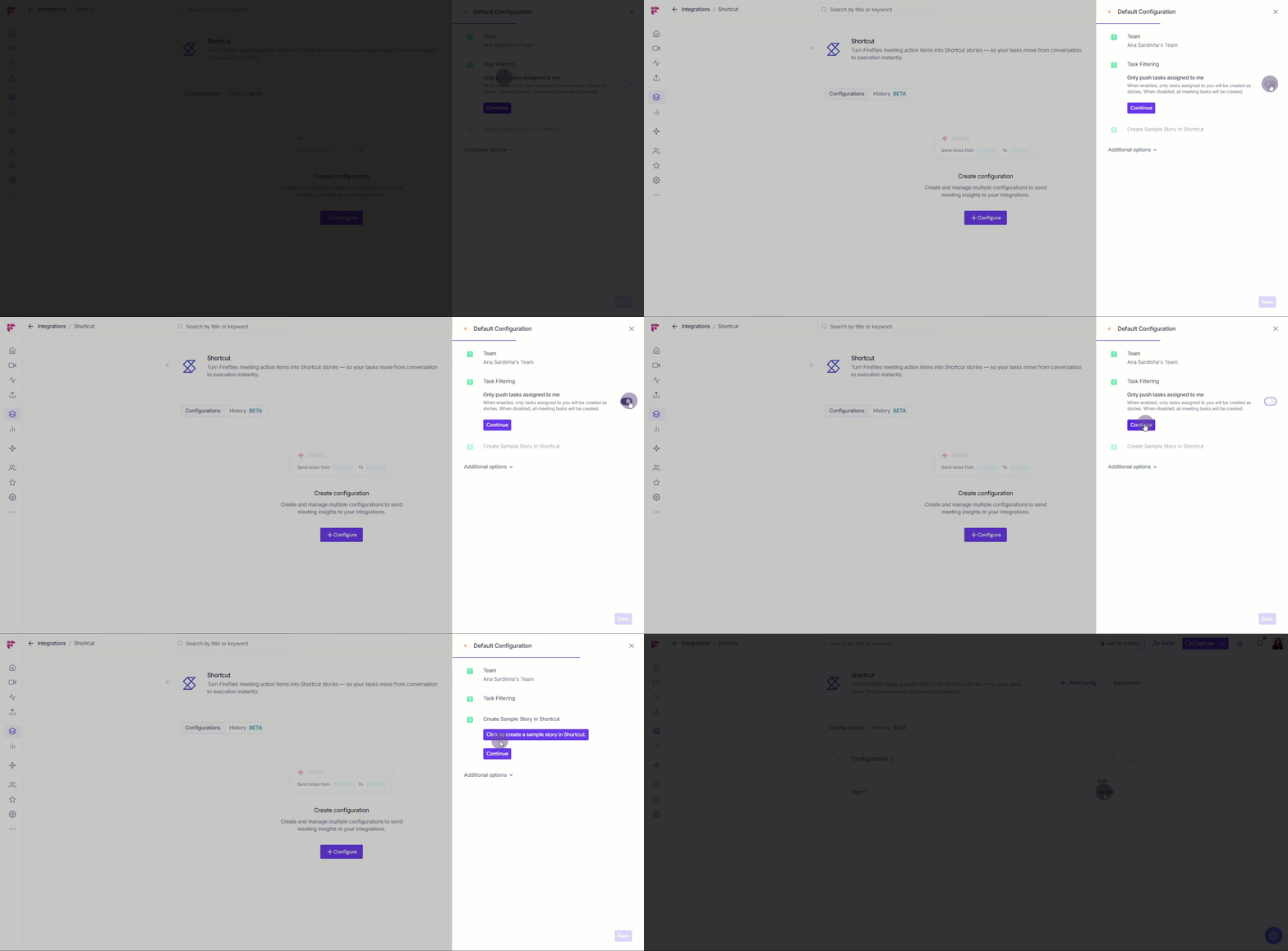
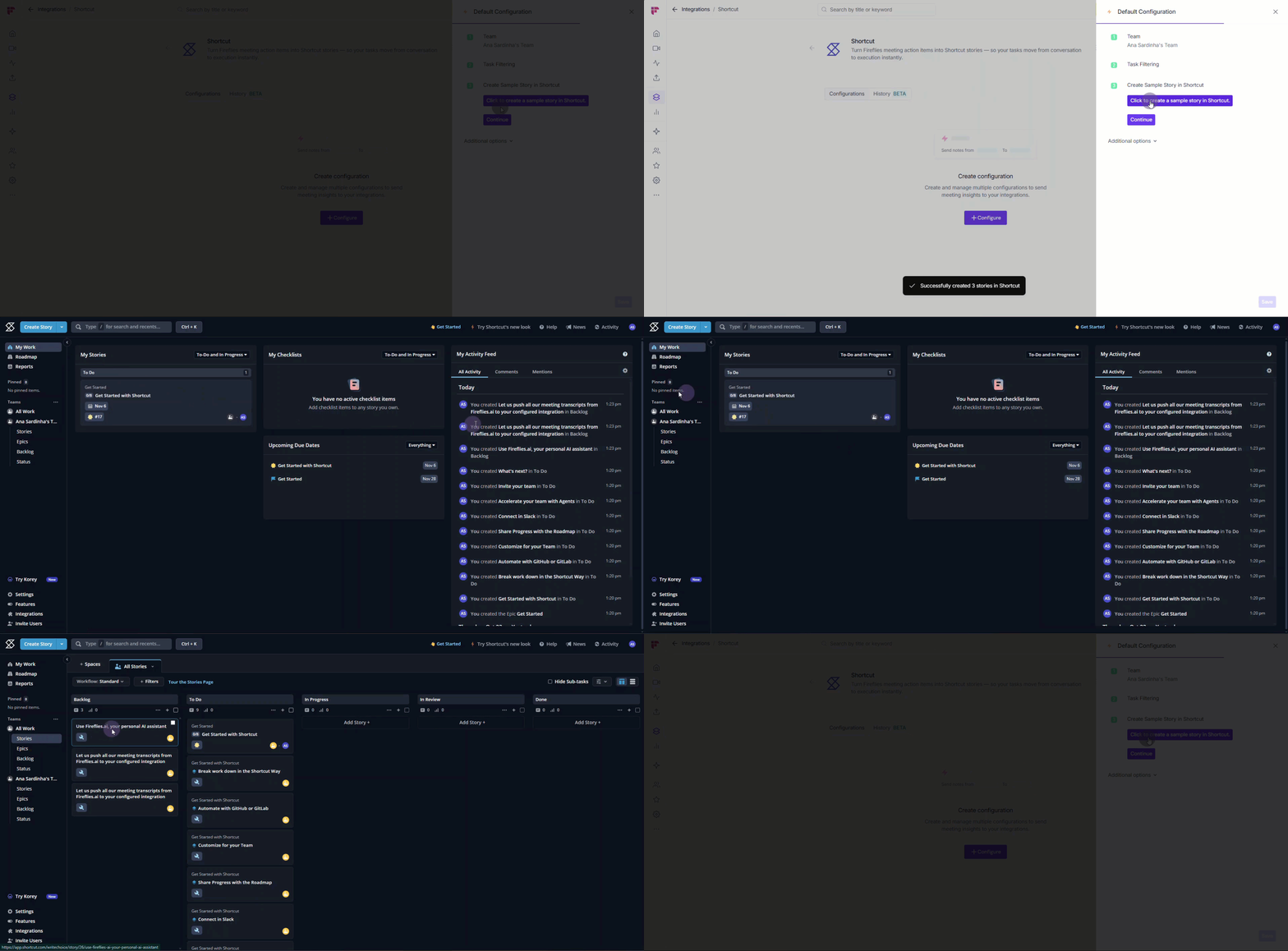
Step 3: Test the Connection (Optional)
You can create a Sample Task to instantly test the connection and confirm that Fireflies sends the message to the team you selected. If you want to skip this, select Continue.
🧩 Additional Options - Integration Rules
By default, Fireflies sends data from every meeting to Shortcut. While this ensures no meeting goes unnoticed, it can clutter your base. Integration Rules allow you to filter which meetings send data, so only the important meetings make it into your Shortcut base.
Integration Rules are available on Business or higher plans.
Learn more about our different pricing plans and how to get started.
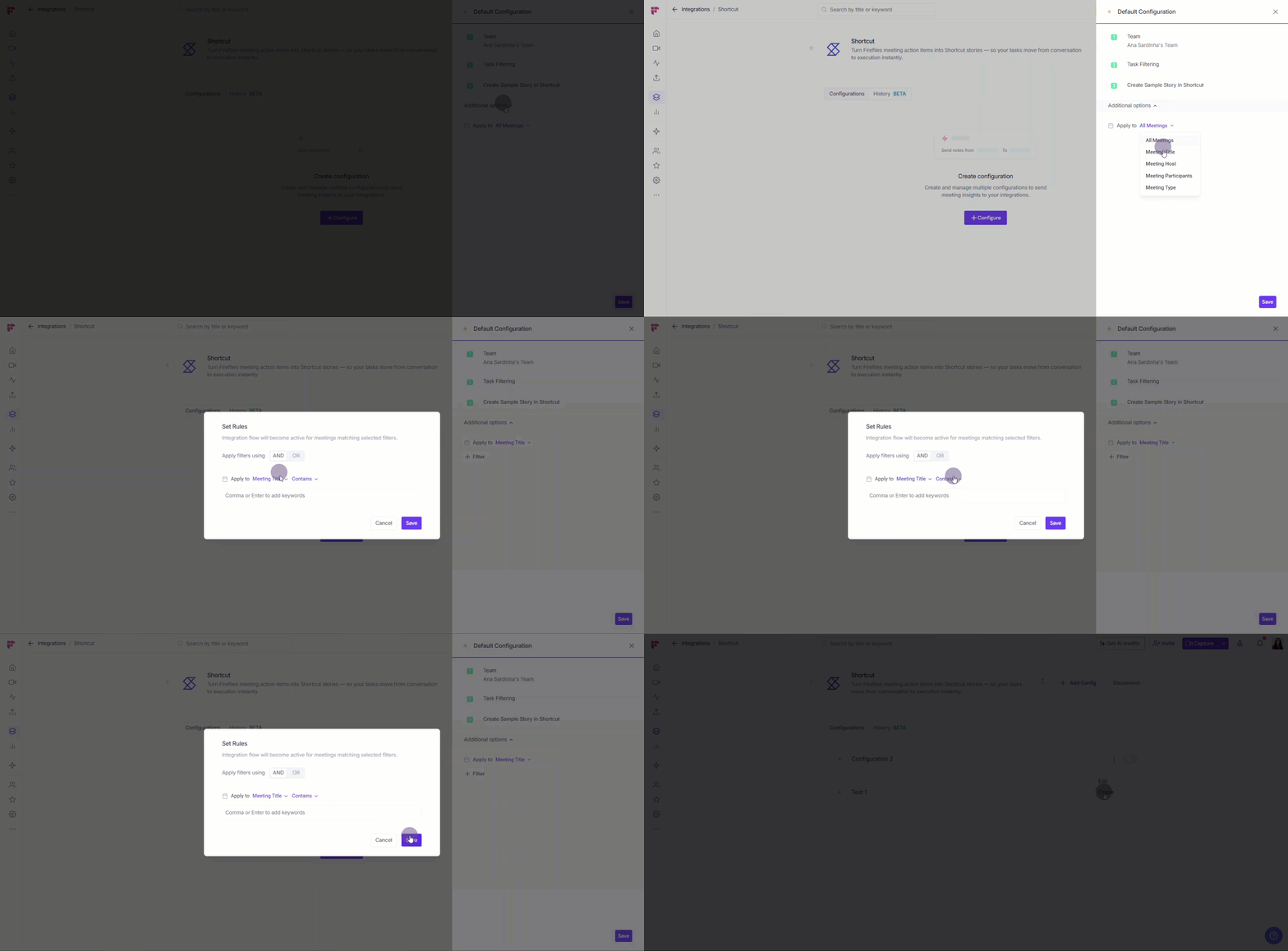
🗂 All Meetings
Capture tasks from every meeting — client calls, team syncs, check-ins — with no filters applied.
📝 Meeting Title
Only create tasks if the meeting title matches rules you set (Contains, Starts with, Equals, Doesn’t Contain). Example: Only generate tasks for Client Review or Interview meetings.
Add multiple keywords separated by commas (e.g., Interview, Client Review, Demo).
👤 Meeting Host
Filter tasks by the meeting’s host.
Equals → Only tasks from meetings hosted by john@example.com.
Not Equal → Tasks from all meetings except those hosted by John.
👥 Meeting Participants
Filter tasks based on who attended.
Contains → Only meetings with sara@example.com.
Doesn’t Contain → Exclude meetings with alex@example.com.
🎦 Meeting Type
Filter by meeting type.
Example: Equals External → Only external calls will be stored in your Shortcut base.
🔀 Apply Multiple Filters
Combine filters for precision.
Example: Title contains Interview AND host is john@example.com.
Rules use AND (all conditions must match) or OR (any condition matches).
💾 Save Your Configuration
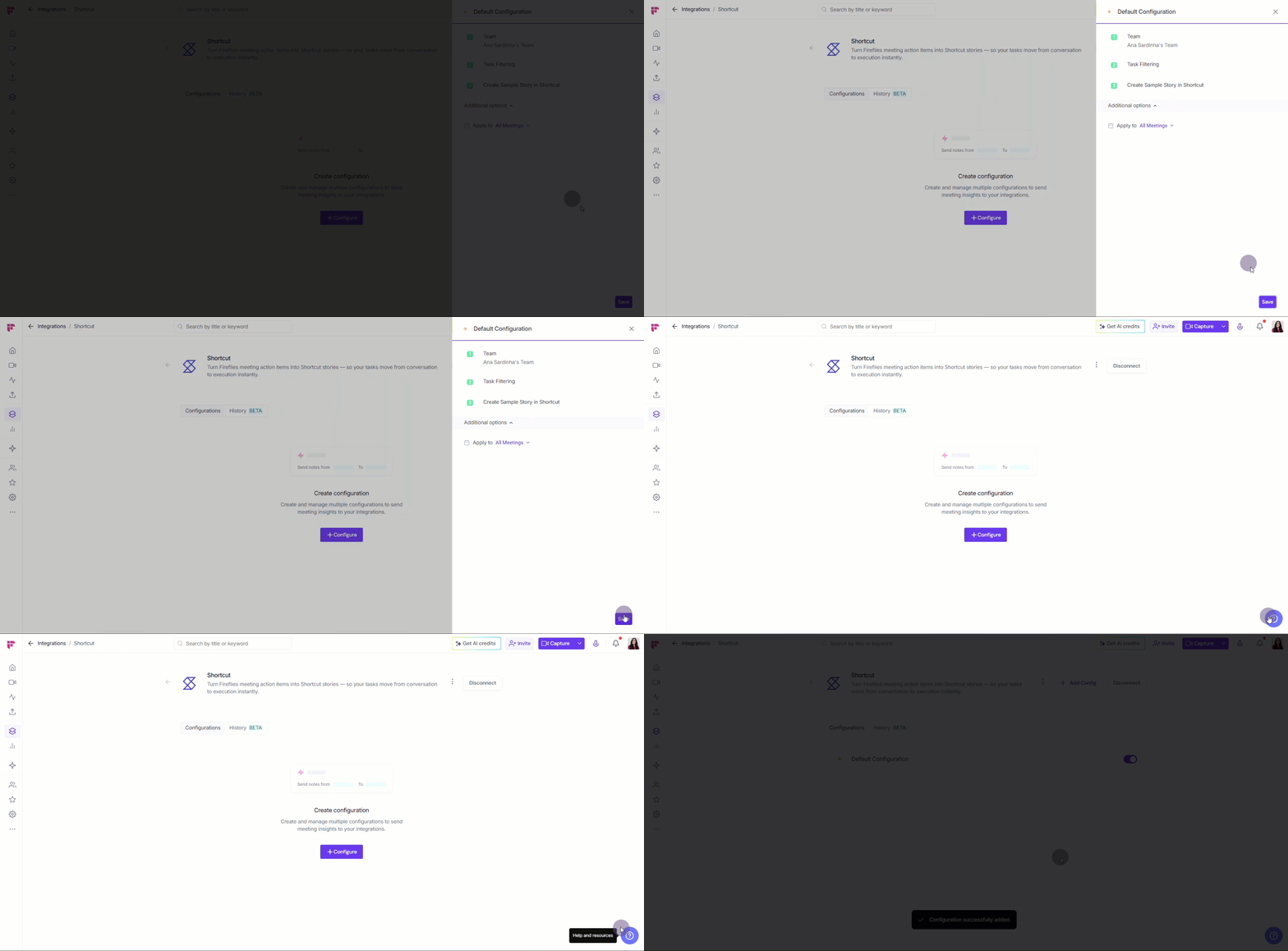
After setting up the Default Configuration side panel, select Save.
You will see a pop-up confirming that the configuration was successfully added. You’re now all set!
👥 Team Integration Settings
Workspace admins can control how the Shortcut integration is used across their team. The available options depend on your plan and workspace role.
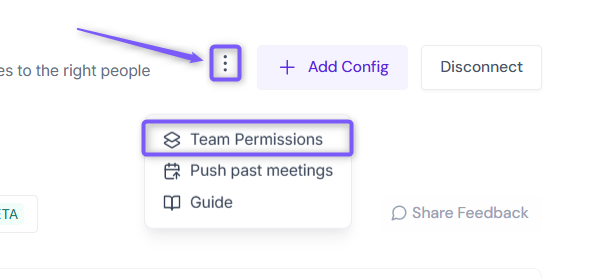
Click the vertical ellipsis (⋮) next to your Shortcut and select Team Permissions from the dropdown list.
Business and Enterprise
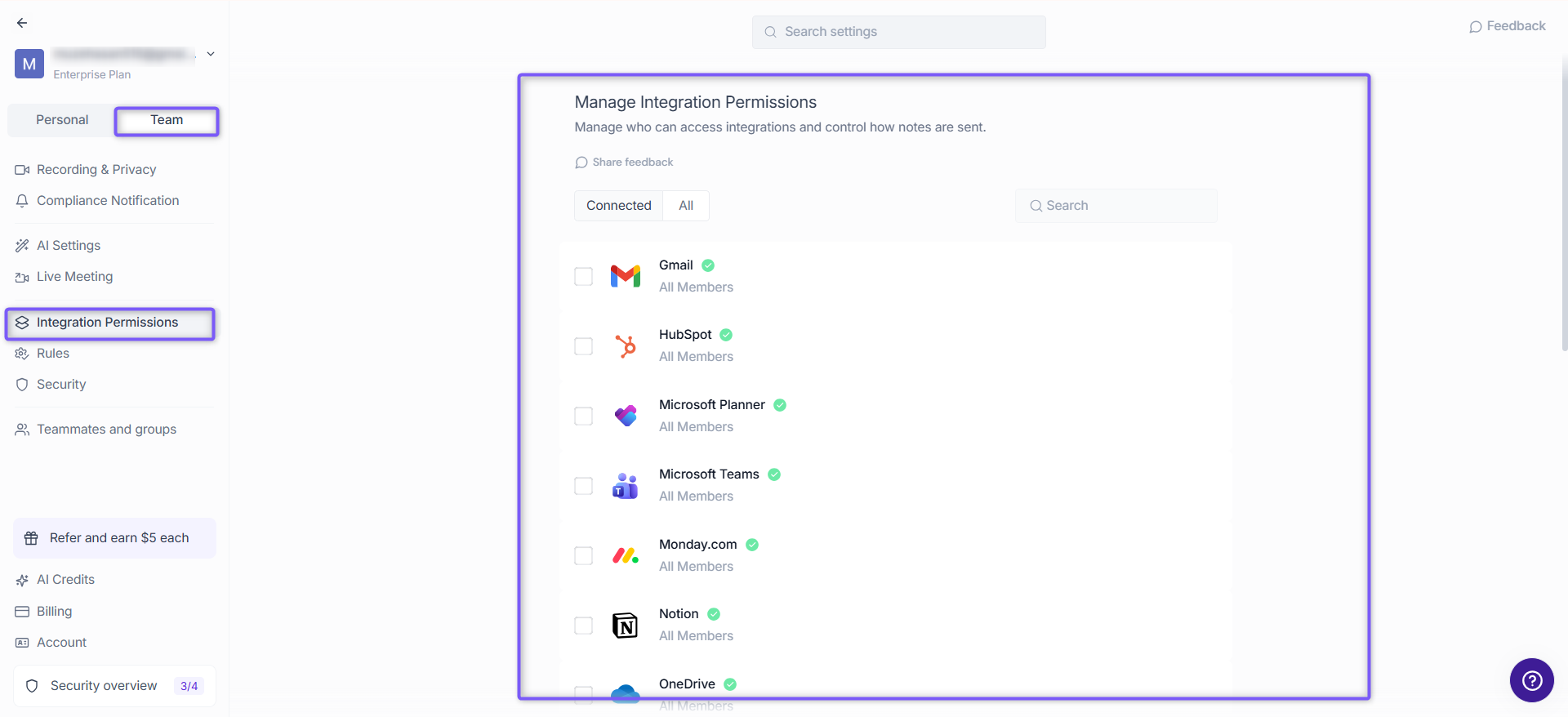
If you are a Workspace Admin on a Business or Enterprise plan, you can manage granular Integration Permissions for the integration, including who can access and connect it.
📖 See Integration Permissions: Control Who Can Access and Connect Integrations for detailed instructions on managing integration permissions.
Free and Pro
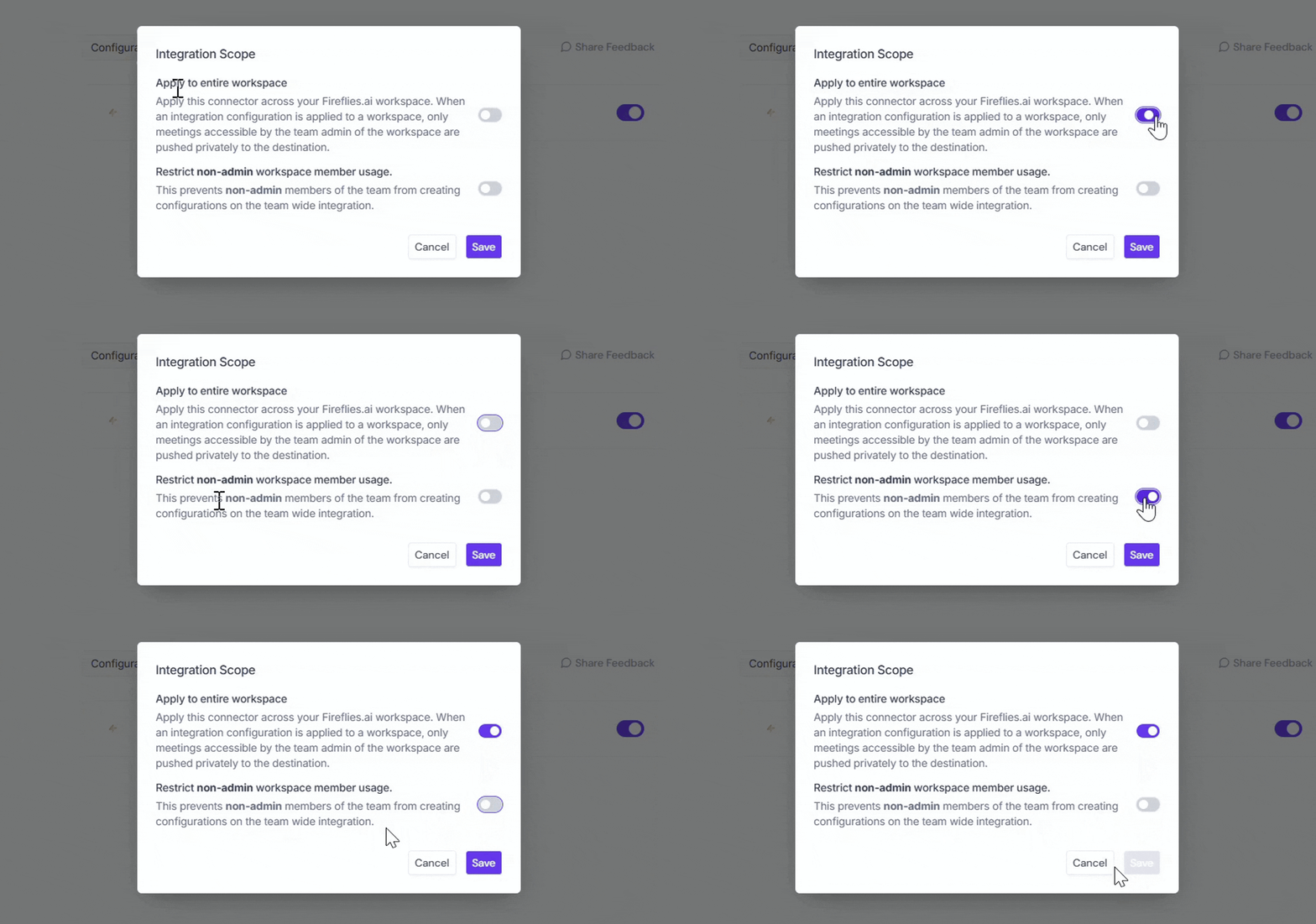
Free and Pro users do not have access to the full Integration Permissions dashboard. Instead, Team Permissions opens a modal with the available workspace-level settings.
Apply to entire workspace → Toggle this ON to apply the Shortcut integration across your Fireflies workspace. All team meetings accessible by the team admin will have notes sent to Shortcut, keeping everything centralized.
📌Meetings that are set to private in a teammate’s Privacy Settings won’t be pushed to Shortcut unless you’re a Super Admin who can access meetings regardless of privacy settings.
Restrict non-admin usage → Toggle this ON to prevent non-admin members from creating their own Shortcut configurations. This helps maintain consistent data practices and avoids accidental CRM clutter.
After adjusting the toggles to fit your team’s workflow, click Save to apply the changes.
Note: Business and Enterprise Workspace Admins have access to granular integration permissions, while Free and Pro workspaces have more limited workspace-level controls.
🛠 Manage Configuration
Over time, you may need to adjust your Shortcut integration — maybe to keep configuration names clear, update a team, or remove ones you no longer use. Fireflies gives you a few simple options:
✏ Edit Configuration Name → Give each Shortcut configuration a clear, descriptive name so it’s easy to recognize (especially helpful if you’ve connected multiple teams). Just click the configuration name (e.g. Default Configuration), type the new name (e.g. Client Meetings), and click outside the field to save.
Clear names are especially helpful when you’re managing more than one configuration.
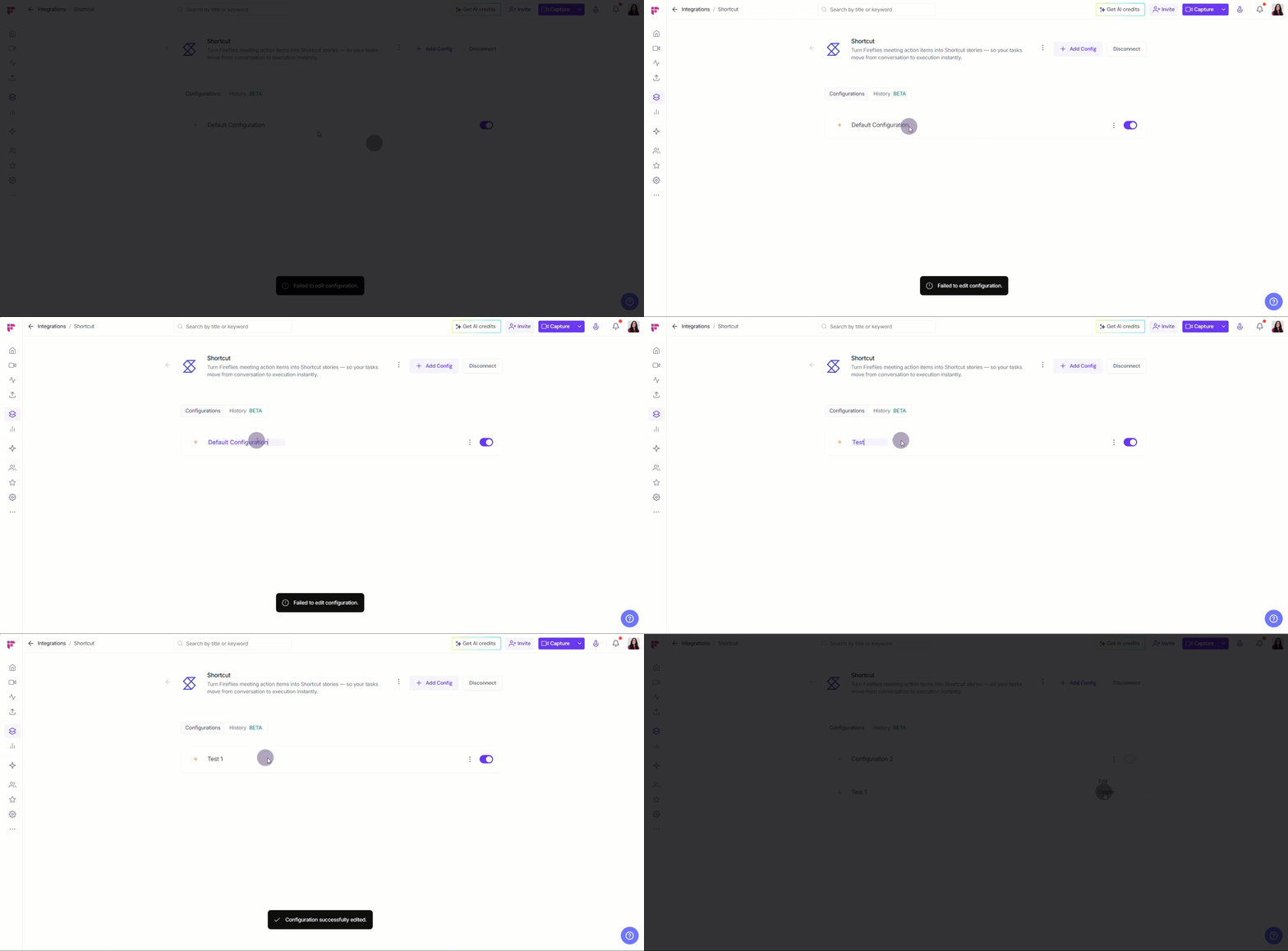
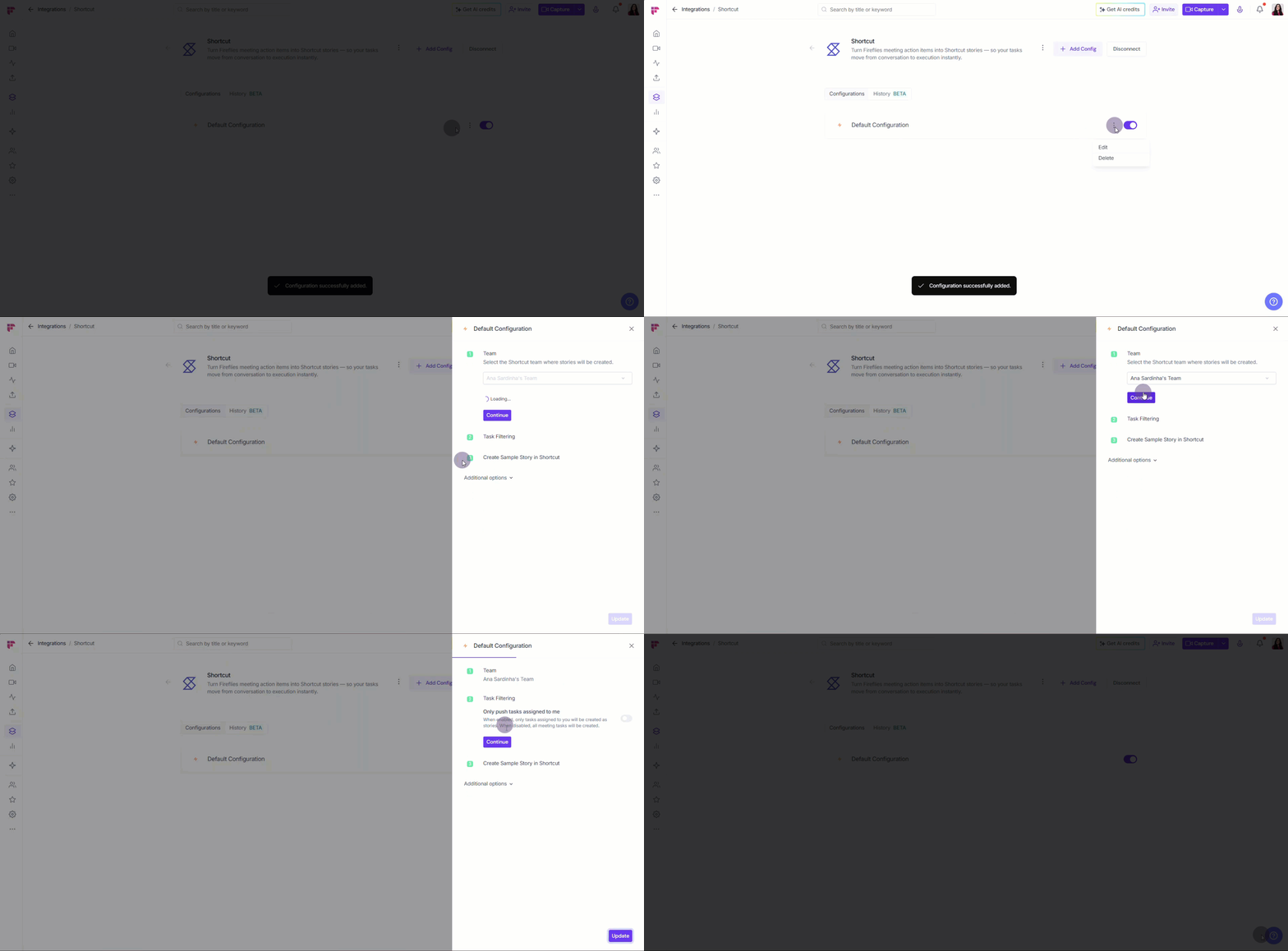
⚙ Edit Configuration Settings → Need to adjust where your meeting data goes or how it's organized? Click the vertical ellipsis (⋮) next to a configuration, select Edit, update the team, or modify any other settings (e.g., which meetings these rules apply), and click Update to save.
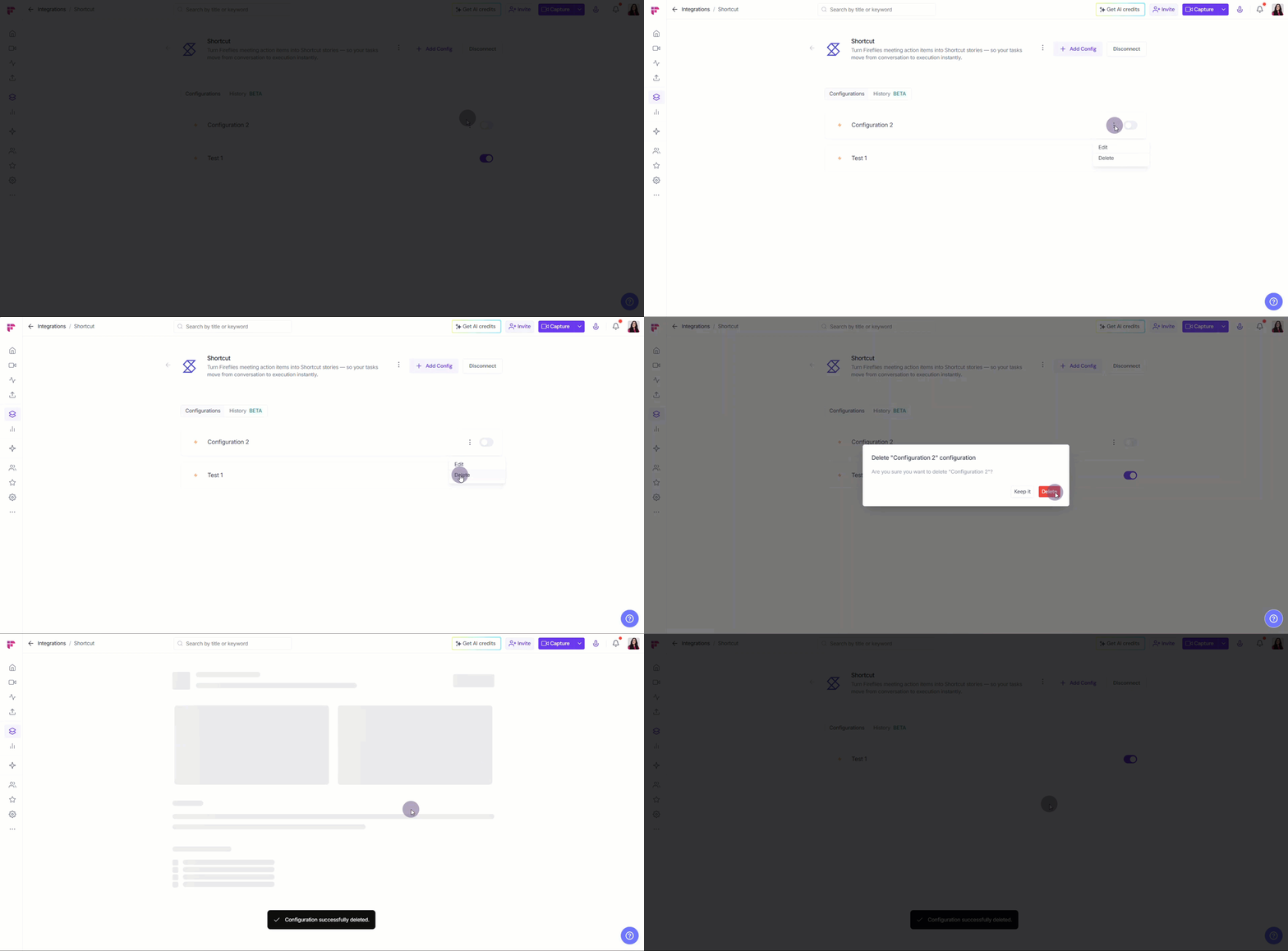
🗑 Delete Configuration → If a configuration is no longer useful, you can safely delete it. Click the vertical ellipsis (⋮) next to the configuration, select Delete, and confirm.
🔘 Enable or Disable a Configuration → Use the toggle switch next to a configuration to quickly control it. Toggle ON to deliver meeting data to the linked team; toggle OFF to pause without deleting.
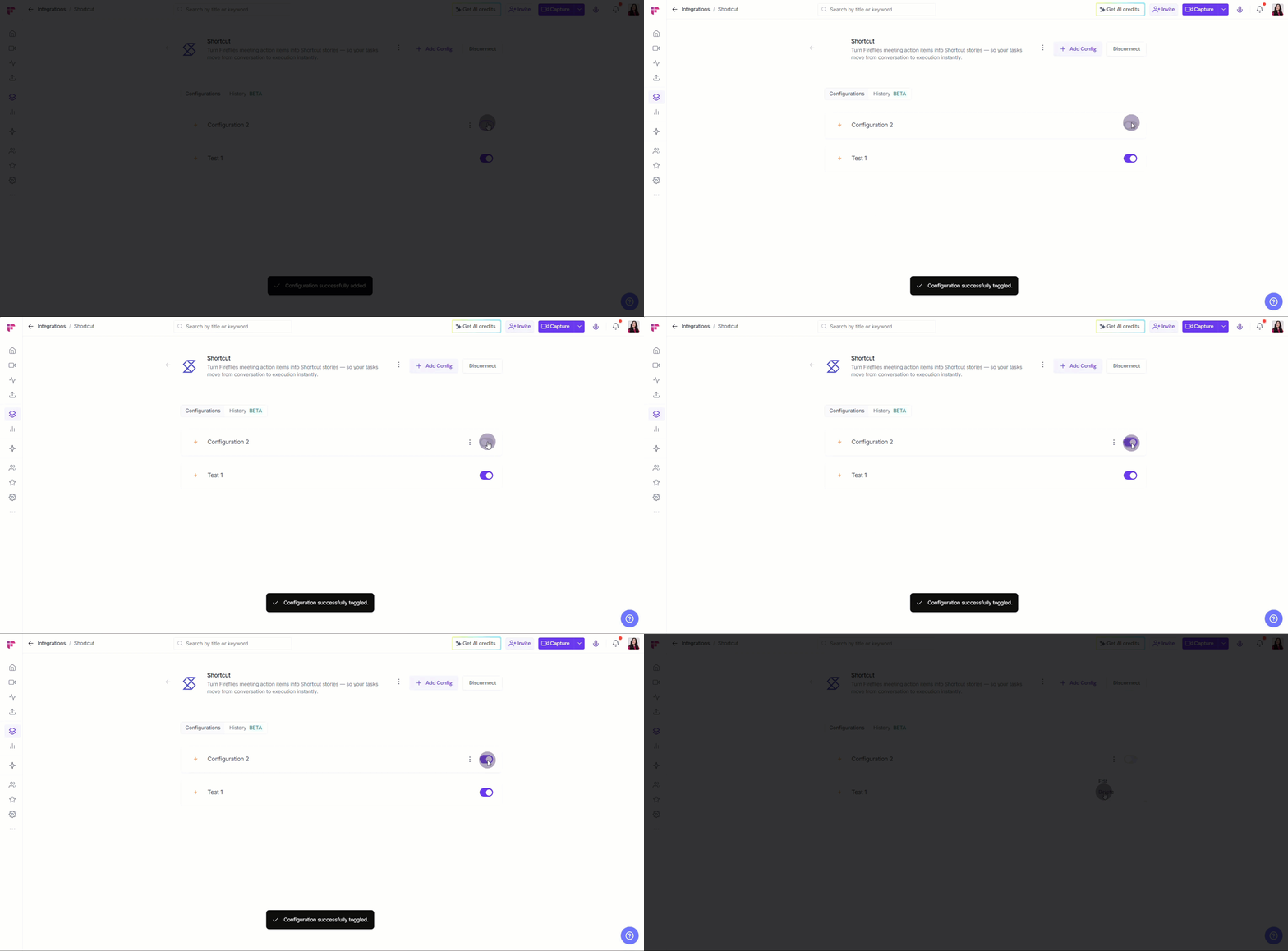
This is handy if you’ve connected multiple projects and only want one active at a time. Fireflies remembers your settings when you turn configurations back on.
📤 How Meeting Data Appears in Shortcut
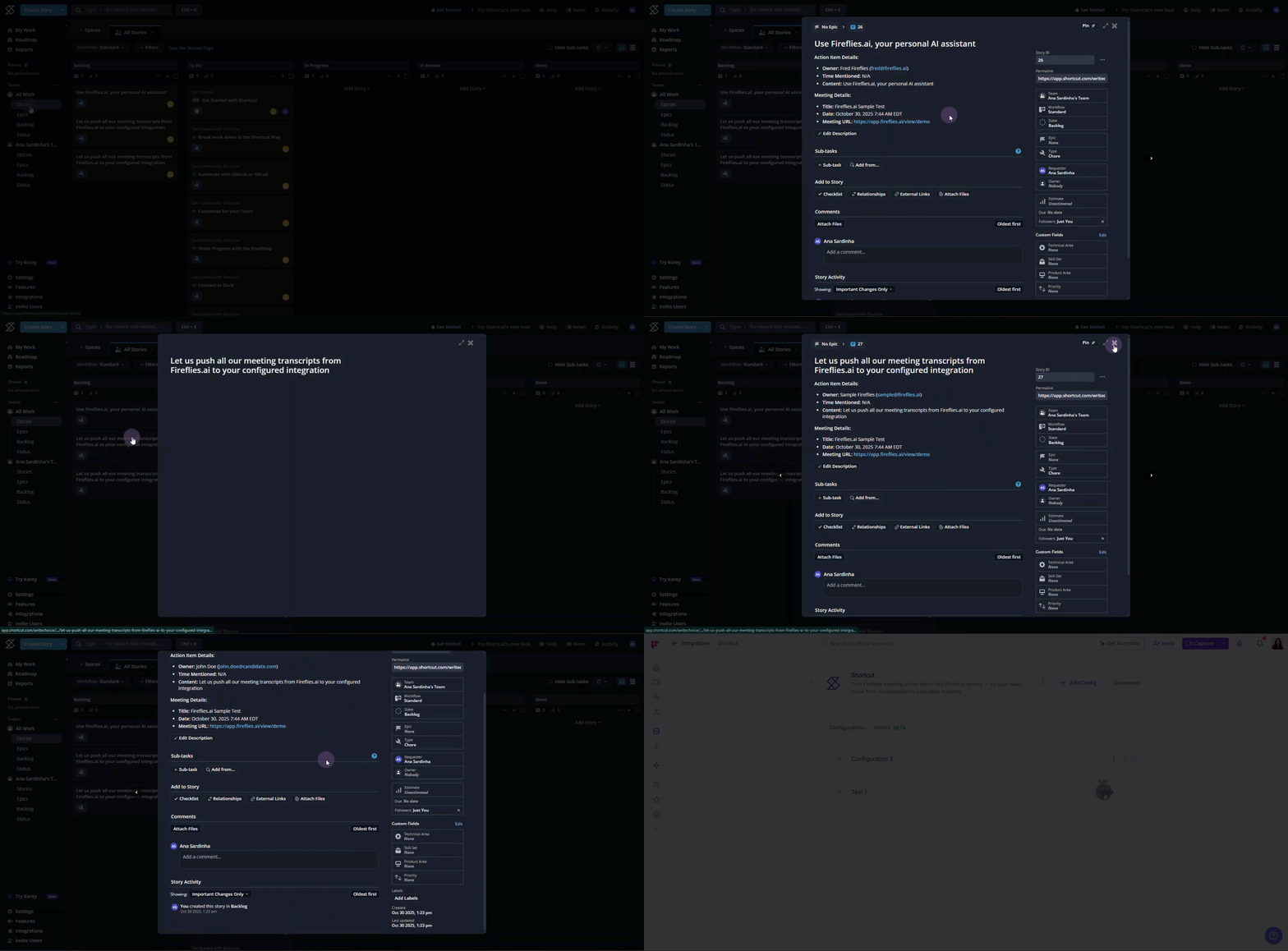
When Fireflies processes your meeting and detects action items, it automatically creates stories in the team you selected during setup. You’ll find these tasks instantly logged, keeping your to-do list organized and ready for action.
⏪ Push Past Meetings to Shortcut
Sometimes, the meetings you want in Shortcut happened before you connected the integration. Whether you enabled the integration later or want to add older meeting notes to Shortcut, Push Past Meetings lets you choose a date range and meeting type, then send those meetings in just a few clicks.
Note: Make sure you've connected Shortcut and created at least one push configuration before using Push Past Meetings. If you haven't, complete the Setting Up Your Configuration section above first.
Follow the steps below to push past meetings to Shortcut.
From the Shortcut integration page, click Push past meetings.
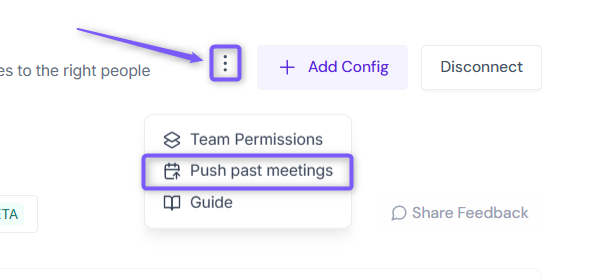
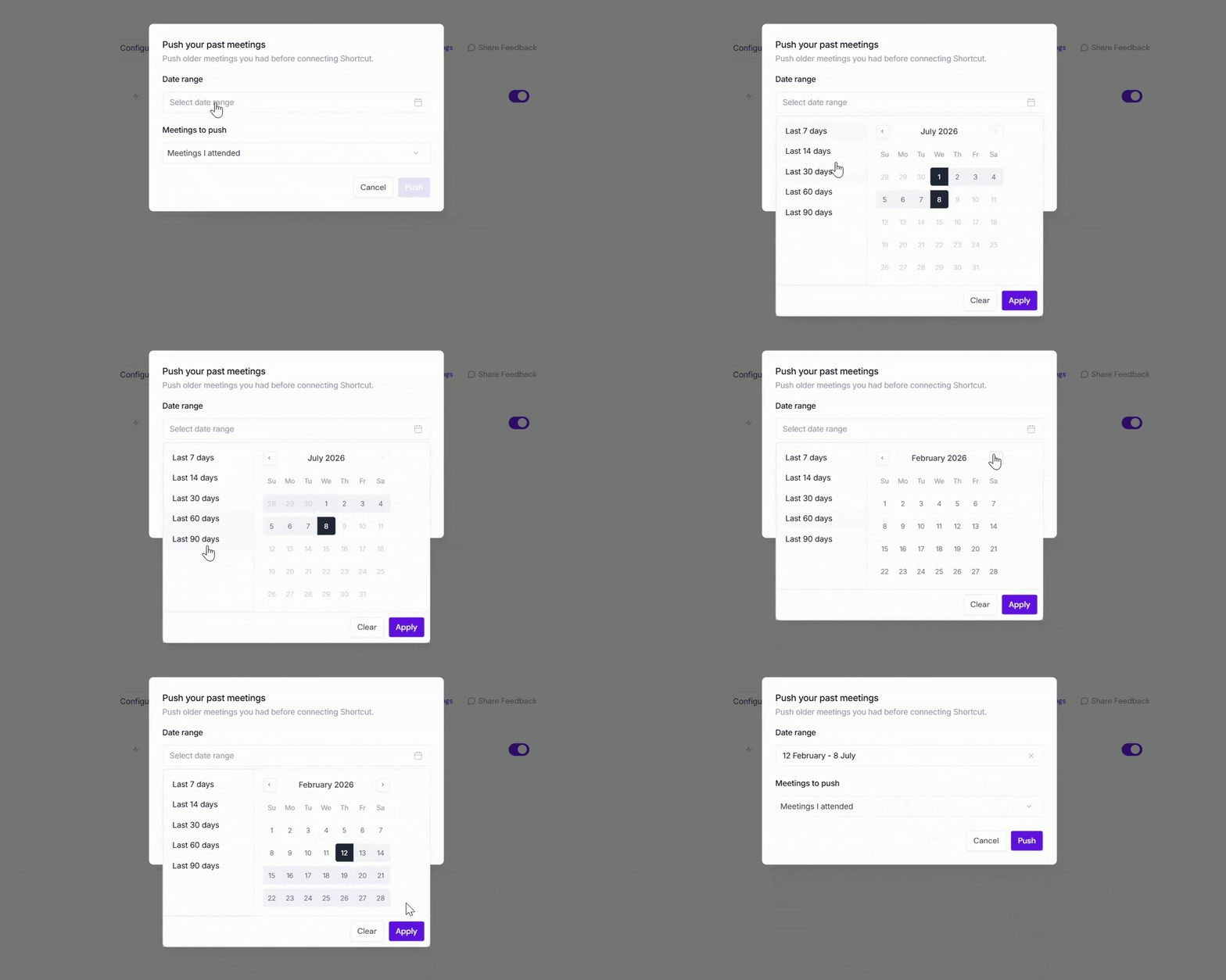
A dialog box will appear. Choose the following:
Date range → Select the meetings you want to send by choosing Last 7, 14, 30, 60, or 90 days, or specify a custom date range.
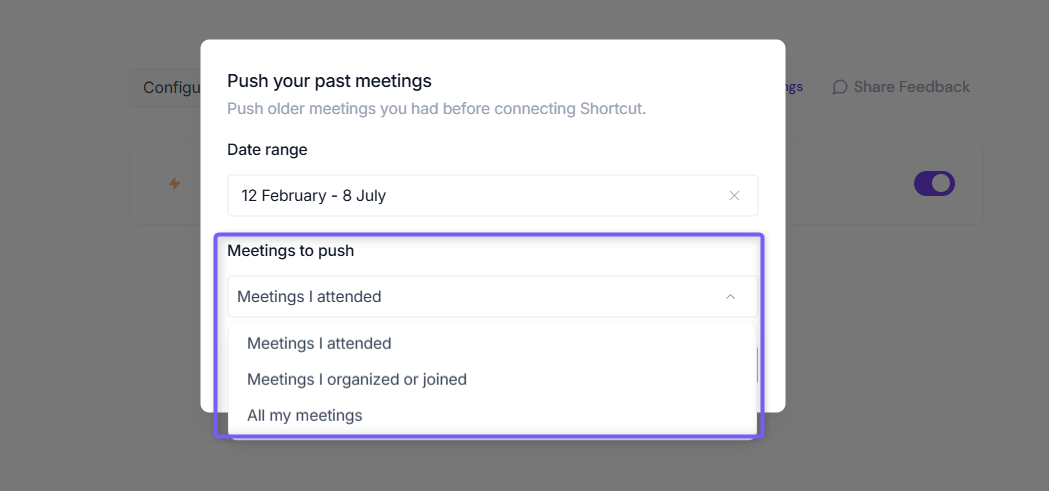
Meetings to push → Choose whether to push Meetings I attended, Meetings I organized or joined, or All my meetings.
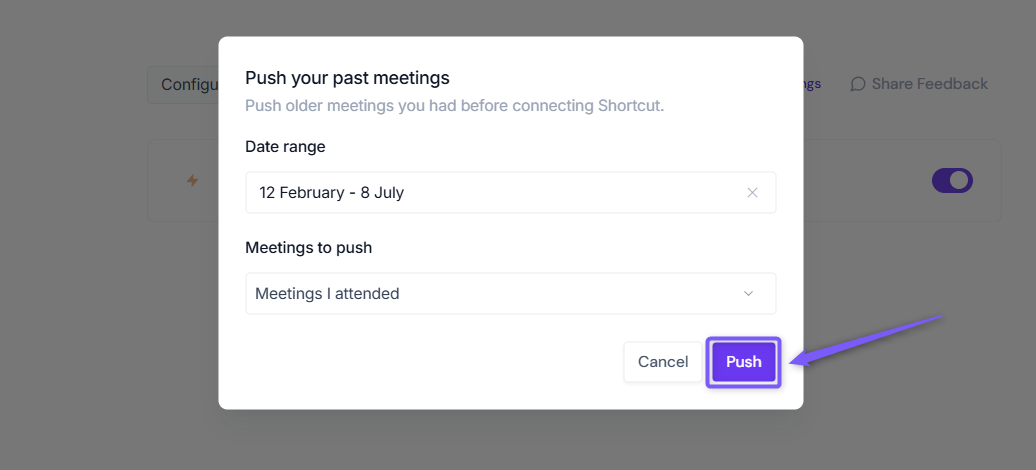
Click Push. Fireflies will send the matching meeting notes to Shortcut using your existing configuration settings.
Meetings recorded after you connect Shortcut are sent automatically. Push Past Meetings is only needed for meetings that happened before the integration was connected.
❌ Disconnect Integration
If you no longer need Fireflies connected to Shortcut, for example, when cleaning up old integrations or moving to a new database, you can disconnect it with a single click.
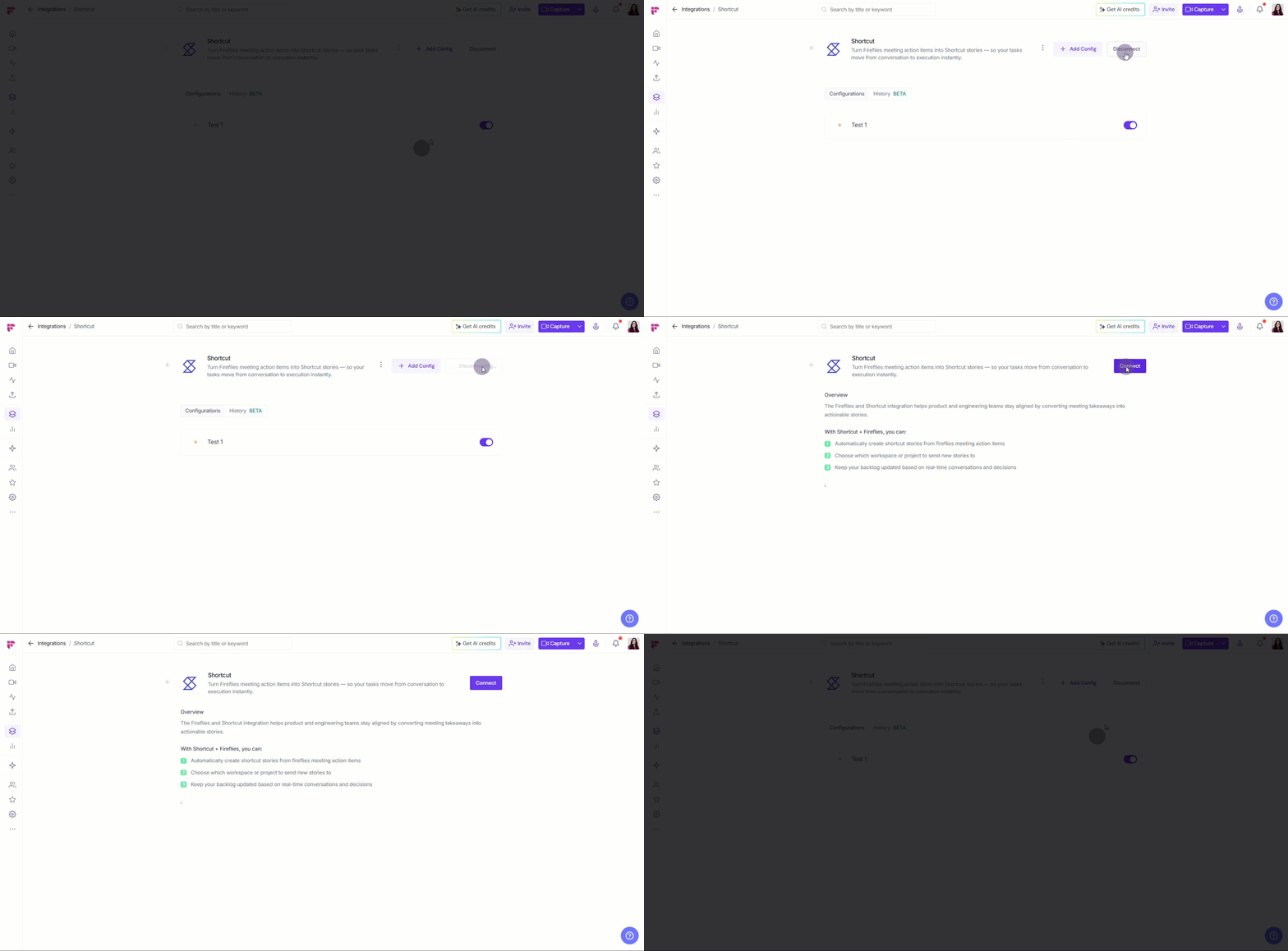
Click the Disconnect button to remove the Shortcut integration. This action immediately ends the connection, and Fireflies will no longer send meeting data to Shortcut.
❓ Frequently Asked Questions (FAQ)
Still have a few questions? We've got you covered.
Q1. What happens to my meeting transcripts if I delete a configuration?
Deleting a configuration stops future tasks from being sent to that specific Shortcut project. Your past recordings and transcripts in Fireflies are safe and unaffected by the configuration change.
Q2. Do I need to be the meeting host for Fireflies to capture action items?
No! As long as Fireflies is invited or joins the meeting room, it will process the meeting and create tasks based on the meeting content, regardless of who hosts.
🔄 Recap
Connecting Fireflies to Shortcut is a massive win for productivity! You'll enjoy the benefit of automatic story creation from your meeting transcripts, ensuring zero to-dos are missed and your Shortcut boards stay current without manual effort. It’s your AI assistant handling the busywork so you can focus on executing the plan.
📚 Related Guides
📌 Manually Send Fireflies Tasks to Project Management Tools → Learn how to manually push specific Fireflies tasks to your project management tools.
📌 Project Management Platforms Supported → Learn about other project management platforms to help you streamline workflows and manage tasks effectively.