How to integrate Jira with Fireflies
Last updated: August 27, 2026
Your team uses Jira to manage everything from workflows to fixes. We're here to make that process easier! By connecting Fireflies, you won't have to waste another minute on manual data entry. The integration automatically pulls action items — like bugs or follow-ups — and instantly turns them into a proper issue in your Jira project. Get ready for effortless, instant project tracking.
Let's get this set up! 🚀
🔍 What Does the Integration Do?
Ready to see meeting talk become project action? This connection automatically turns your conversations into actionable Jira issues! Fireflies will:
Pull action items and next steps straight from your meeting transcripts.
Auto-create new issues or tasks in your designated Jira project.
Populate the issue with all the necessary context: the owner, the mention time, and a link back to the full recording.
Ensure perfect sync by sending follow-up tasks to the right Project and Issue Type (Task, Bug, Story, etc.) based on how you set it up.
🔑 Prerequisites
Before you link your accounts, you’ll want to make sure you have everything ready:
A Fireflies account with integration permissions enabled.
An Atlassian account with access to Jira.
A Jira Project ready to receive the action items.
🔗 Connect Jira to Fireflies
Go ahead and start the connection process from your Fireflies dashboard.
Step 1: From the Fireflies dashboard, select Integrations in the left-hand menu and search for Jira.

Step 2: Click the Connect button. This action will redirect you to Jira’s sign-in page. After that, enter your credentials and sign in to your Jira account.
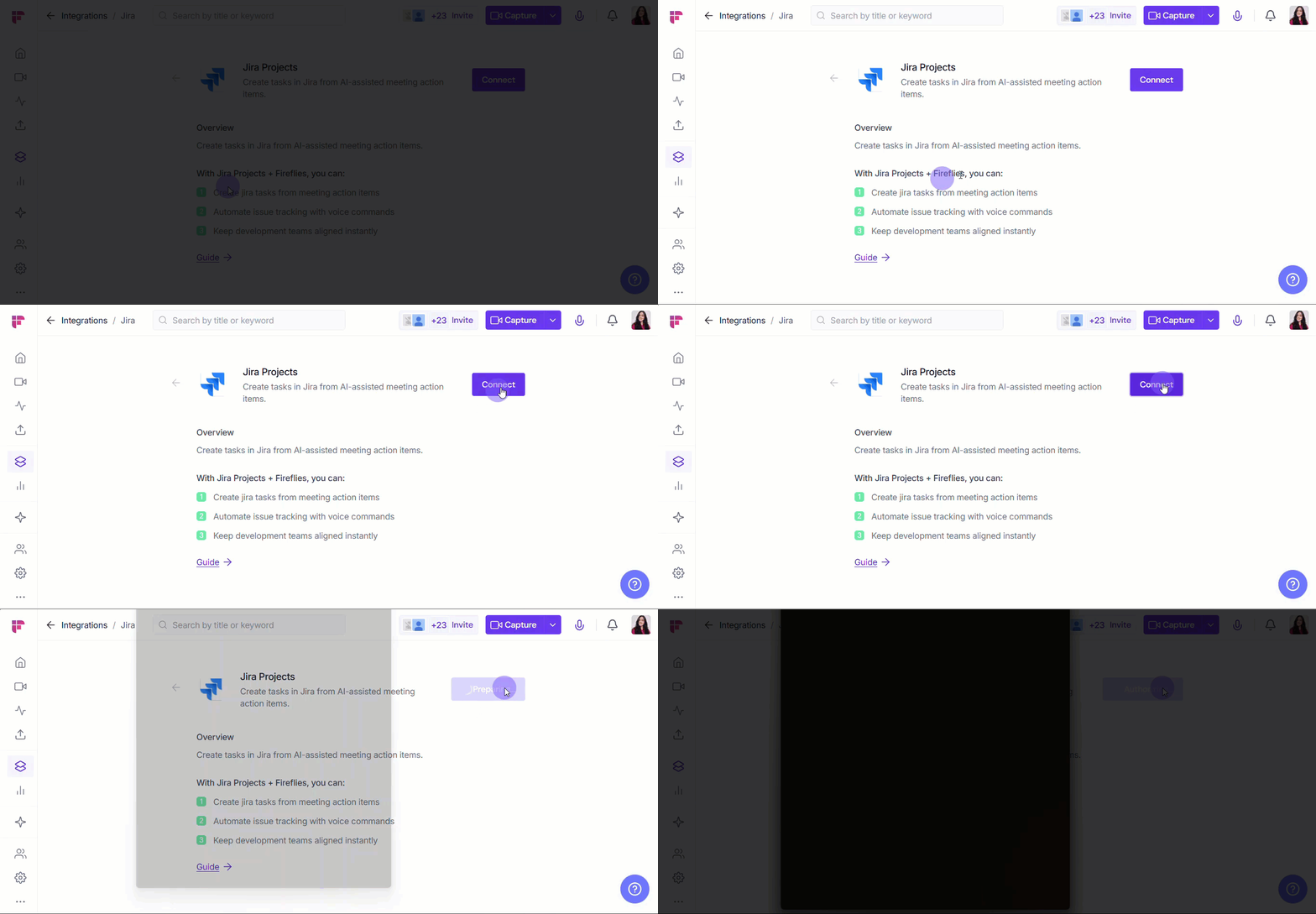
Step 3: Click Continue and review the permissions Fireflies requires. Then, click Accept to grant Fireflies the necessary access to your Jira account. This action will redirect you back to the Fireflies’ Integration page.
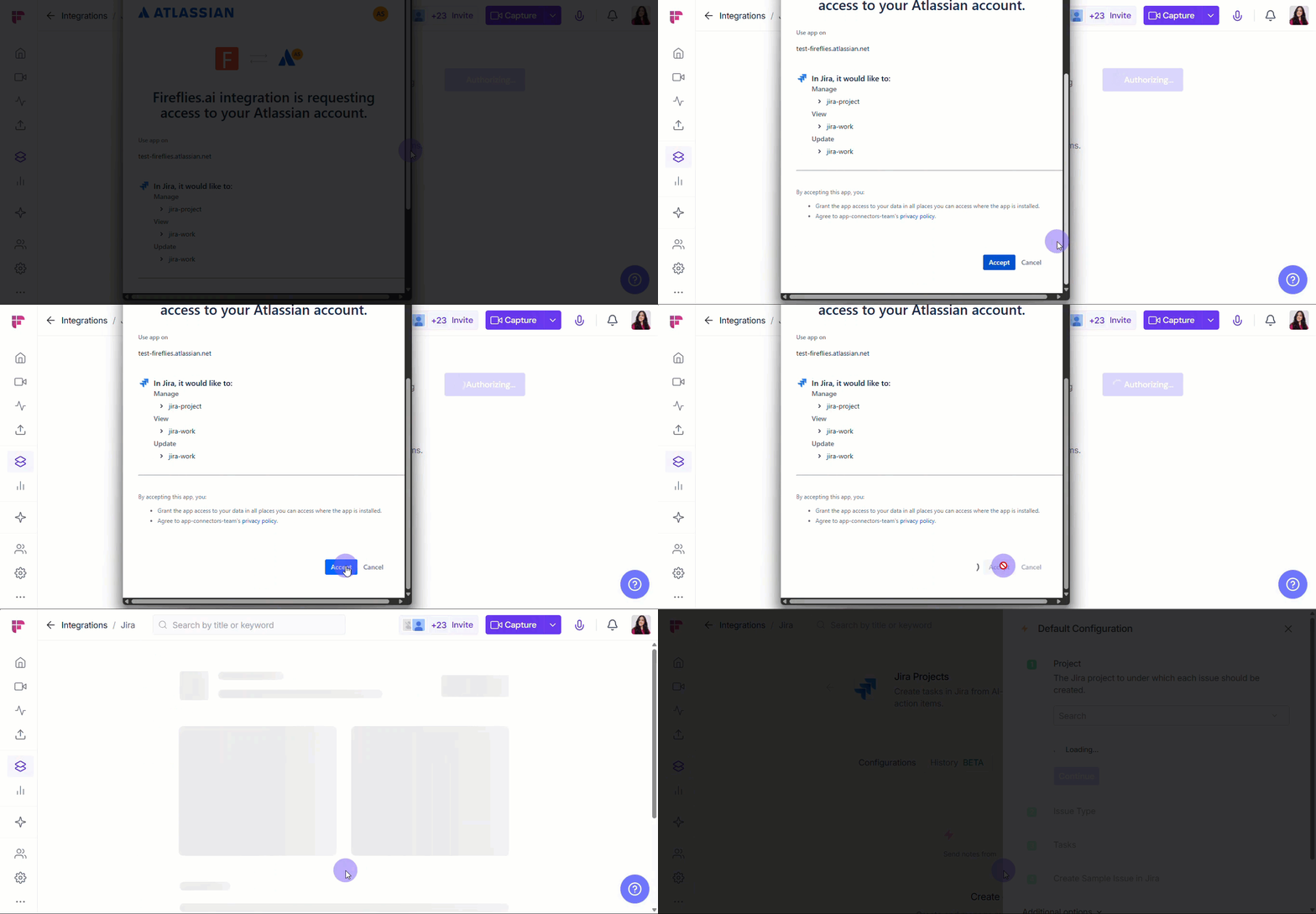
⚙ Setting Up Your Configuration
Great! Now that they're connected, it's time to tell Fireflies exactly where to post your action items.
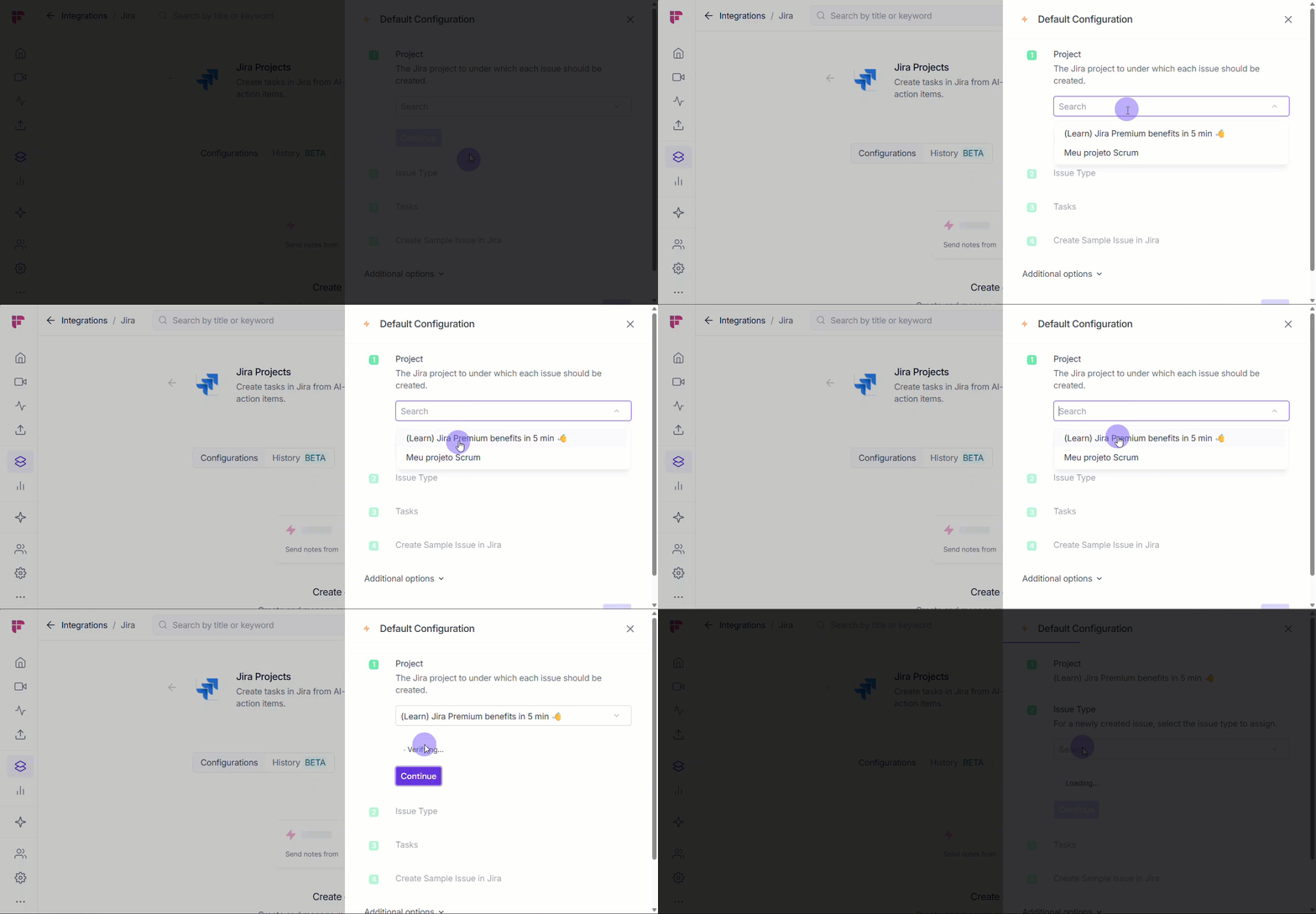
In the Default Configuration side panel, make the following selections:
Step 1: Select a Project
Select the specific Jira project where you want Fireflies to connect.
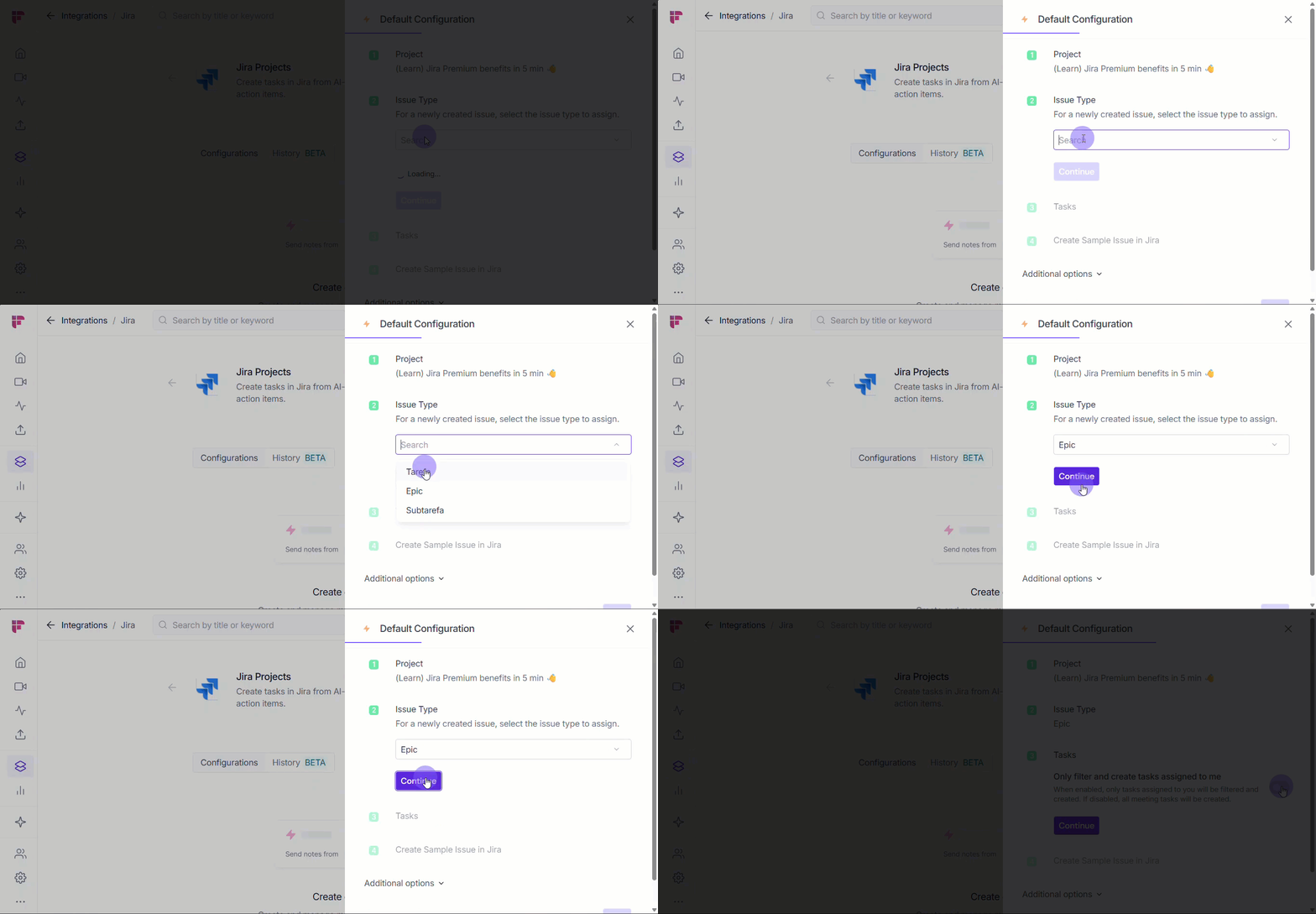
Step 2: Choose an Issue Type
Select the issue type where you want Fireflies to automatically assign your action items.
Step 3: Enable/Disable Only filter and create tasks assigned to me.
This setting determines which issues Fireflies creates in Jira:
When enabled, Fireflies filters and only creates issues specifically assigned to you during the meeting.
If disabled, Fireflies creates all meeting issues identified in the discussion.
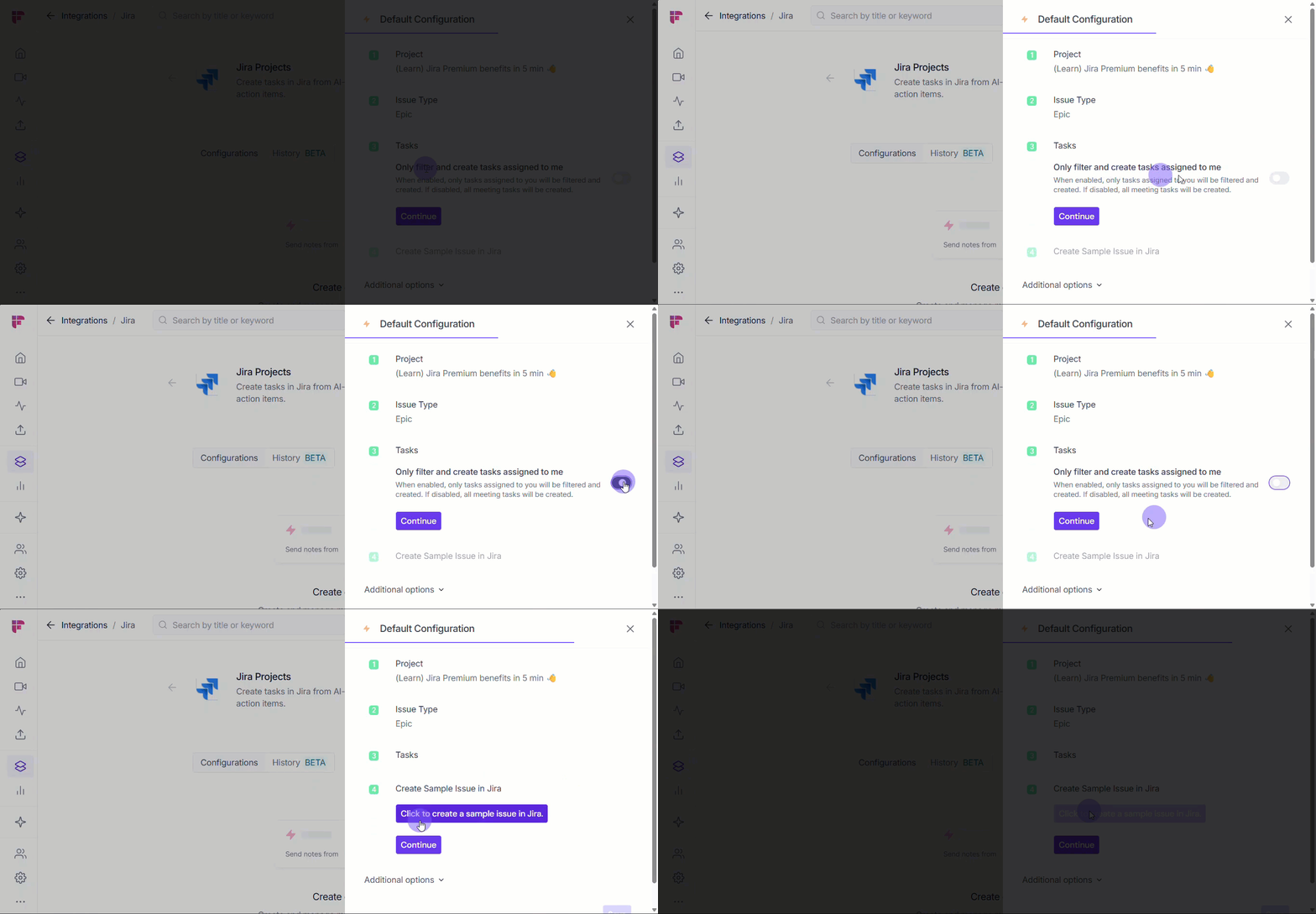
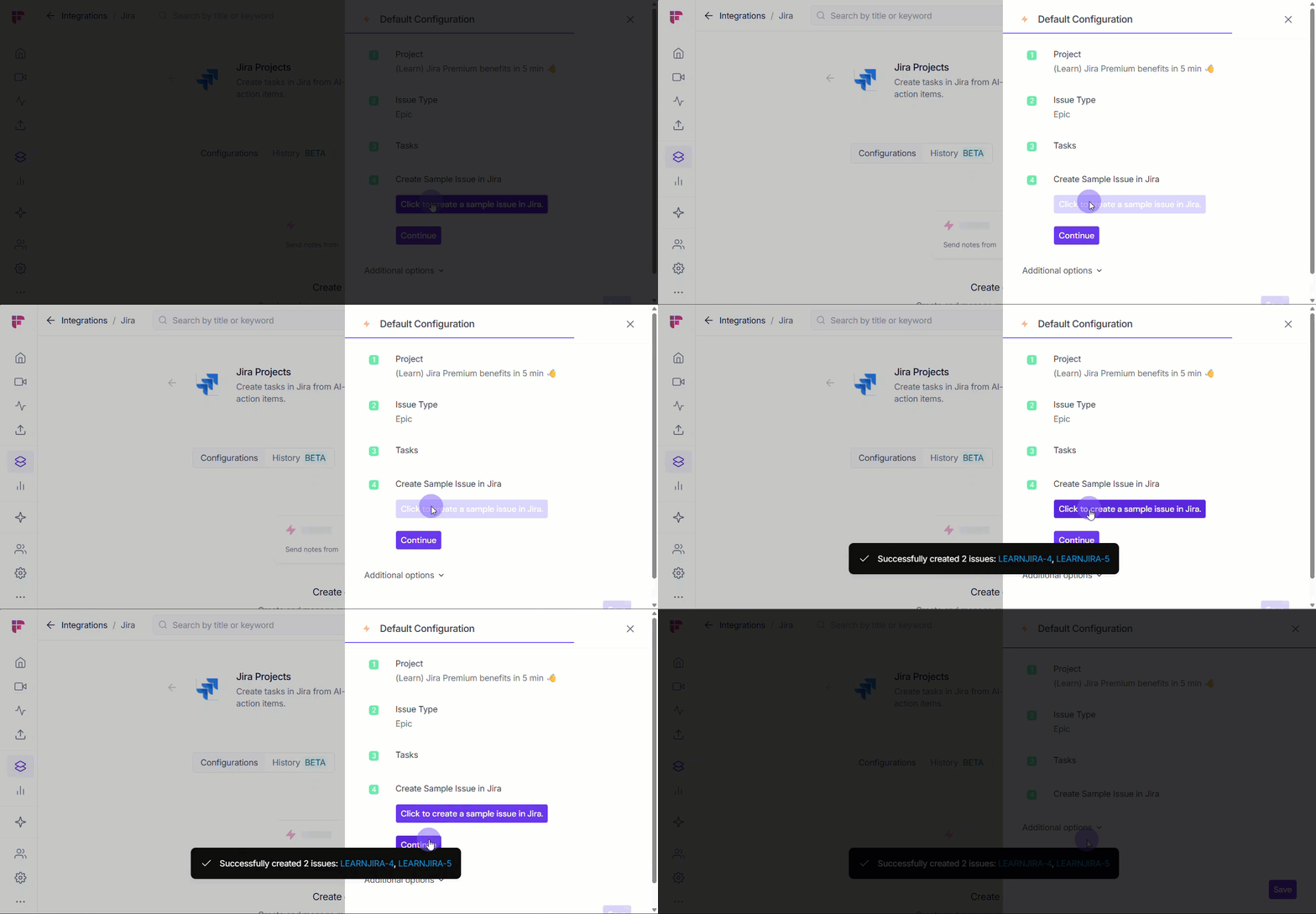
Step 4 (Optional): Create a Sample Issue
You can create a Sample Issue to instantly test the connection and confirm that Fireflies sends the message to the project you selected. If you want to skip this, select Continue.
🧩 Additional Options - Integration Rules
By default, Fireflies sends data from every meeting to Jira. While this ensures no meeting goes unnoticed, it can clutter your base. Integration Rules allow you to filter which meetings send data, so only the important meetings make it into your Jira base.
Integration Rules are available on Business or higher plans.
Learn more about our different pricing plans and how to get started.
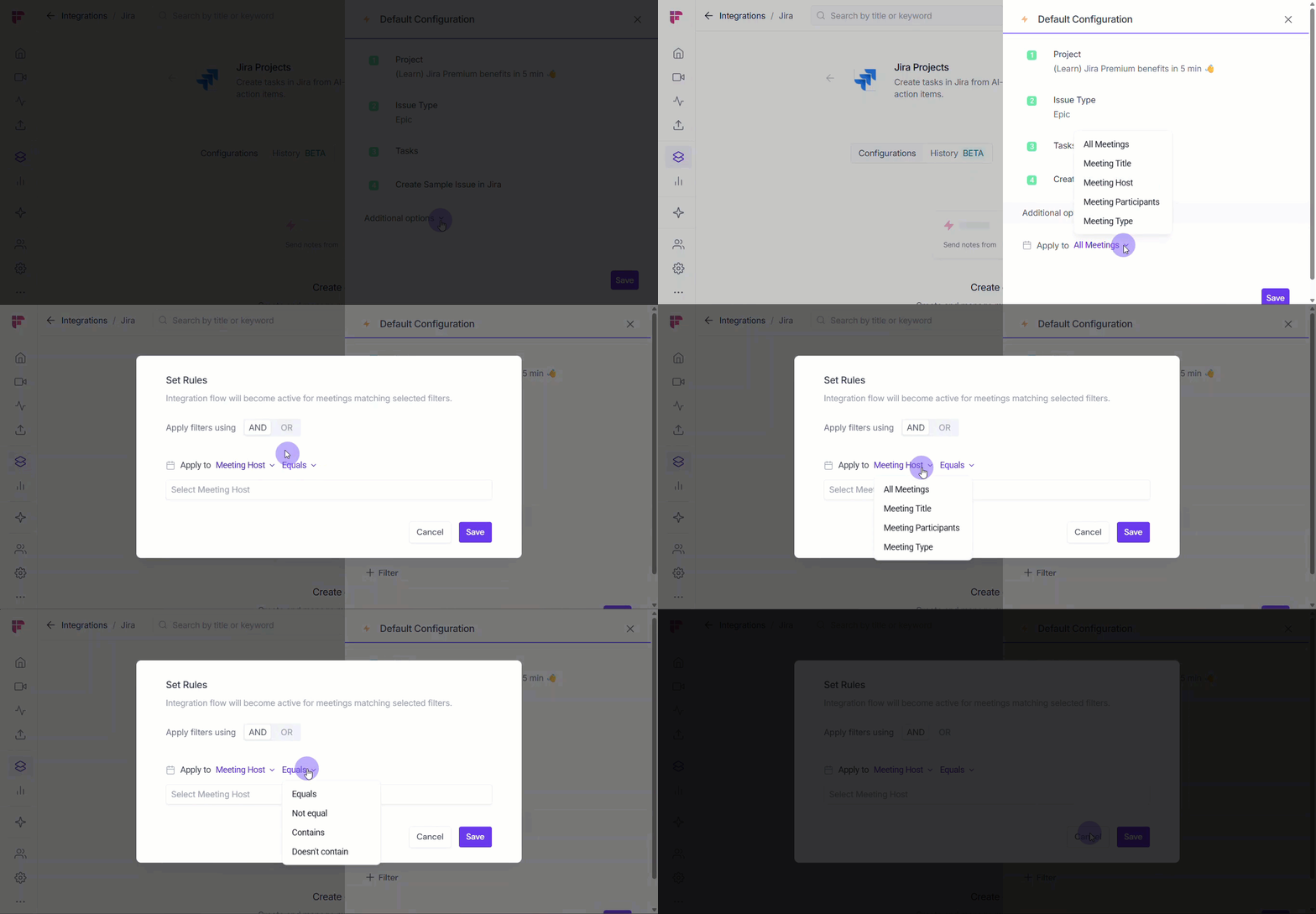
🗂 All Meetings
Capture tasks from every meeting — client calls, team syncs, check-ins — with no filters applied.
📝 Meeting Title
Only create isses if the meeting title matches rules you set (Contains, Starts with, Equals, Doesn’t Contain). Example: Only generate tasks for Client Review or Interview meetings.
Add multiple keywords separated by commas (e.g., Interview, Client Review, Demo).
👤 Meeting Host
Filter issues by the meeting’s host.
Equals → Only issues from meetings hosted by john@example.com.
Not Equal → Issues from all meetings except those hosted by John.
👥 Meeting Participants
Filter issues based on who attended.
Contains → Only meetings with sara@example.com.
Doesn’t Contain → Exclude meetings with alex@example.com.
🎦 Meeting Type
Filter by meeting type.
Example: Equals External → Only external calls will be stored in your Zoho Projects base.
🔀 Apply Multiple Filters
Combine filters for precision.
Example: Title contains Interview AND host is john@example.com.
Rules use AND (all conditions must match) or OR (any condition matches).
💾 Save Your Configuration
After setting up the Default Configuration side panel, select Save.
You will see a pop-up confirming that the configuration was successfully added. You’re now all set!
👥 Team Integration Settings
Workspace admins can control how the Jira integration is used across their team. The available options depend on your plan and workspace role.
Click the vertical ellipsis (⋮) next to your Jira and select Team Permissions from the dropdown list.

Business and Enterprise
If you are a Workspace Admin on a Business or Enterprise plan, you can manage granular Integration Permissions for the integration, including who can access and connect it.
📖 See Integration Permissions: Control Who Can Access and Connect Integrations for detailed instructions on managing integration permissions.

Free and Pro
Free and Pro users do not have access to the full Integration Permissions dashboard. Instead, Team Permissions opens a modal with the available workspace-level settings.
Apply to entire workspace → Toggle this ON to apply the Jira integration across your Fireflies workspace. All team meetings accessible by the team admin will have notes sent to Jira, keeping everything centralized.
📌Meetings that are set to private in a teammate’s Privacy Settings won’t be pushed to Jira unless you’re a Super Admin who can access meetings regardless of privacy settings.
Restrict non-admin usage → Toggle this ON to prevent non-admin members from creating their own Jira configurations. This helps maintain consistent settings and avoid unintended changes.
After adjusting the toggles to fit your team’s workflow, click Save to apply the changes.

Note: Business and Enterprise Workspace Admins have access to granular integration permissions, while Free and Pro workspaces have more limited workspace-level controls.
🛠 Manage Configuration
Over time, you may need to adjust your Jira integration — maybe to keep configuration names clear, update a project, or remove ones you no longer use. Fireflies gives you a few simple options:
✏ Edit Configuration Name → Give each Jira configuration a clear, descriptive name so it’s easy to recognize (especially helpful if you’ve connected multiple projects). Just click the configuration name (e.g., Default Configuration), type the new name (e.g., Client Meetings), and click outside the field to save.
Clear names are especially helpful when you’re managing more than one configuration.
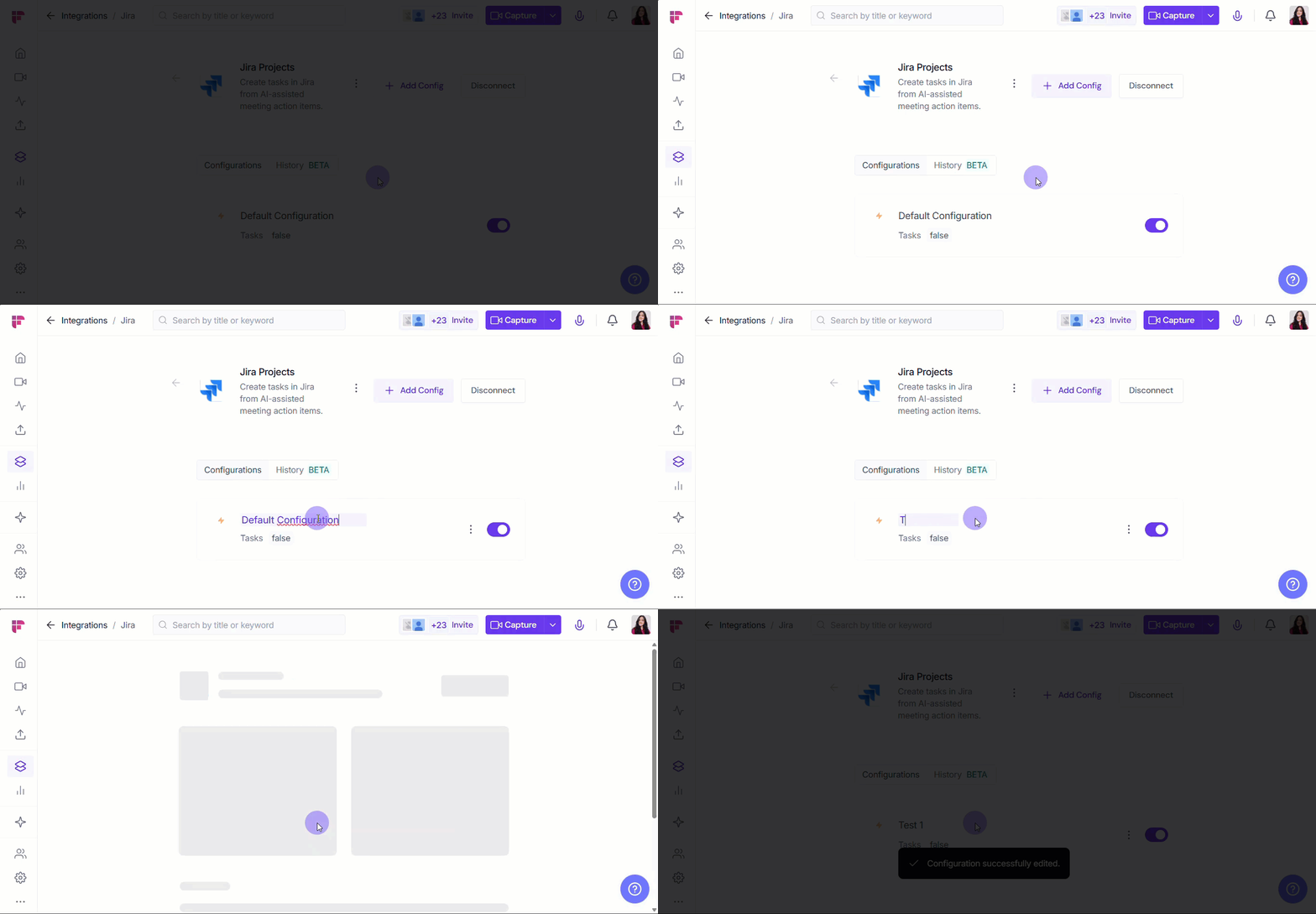
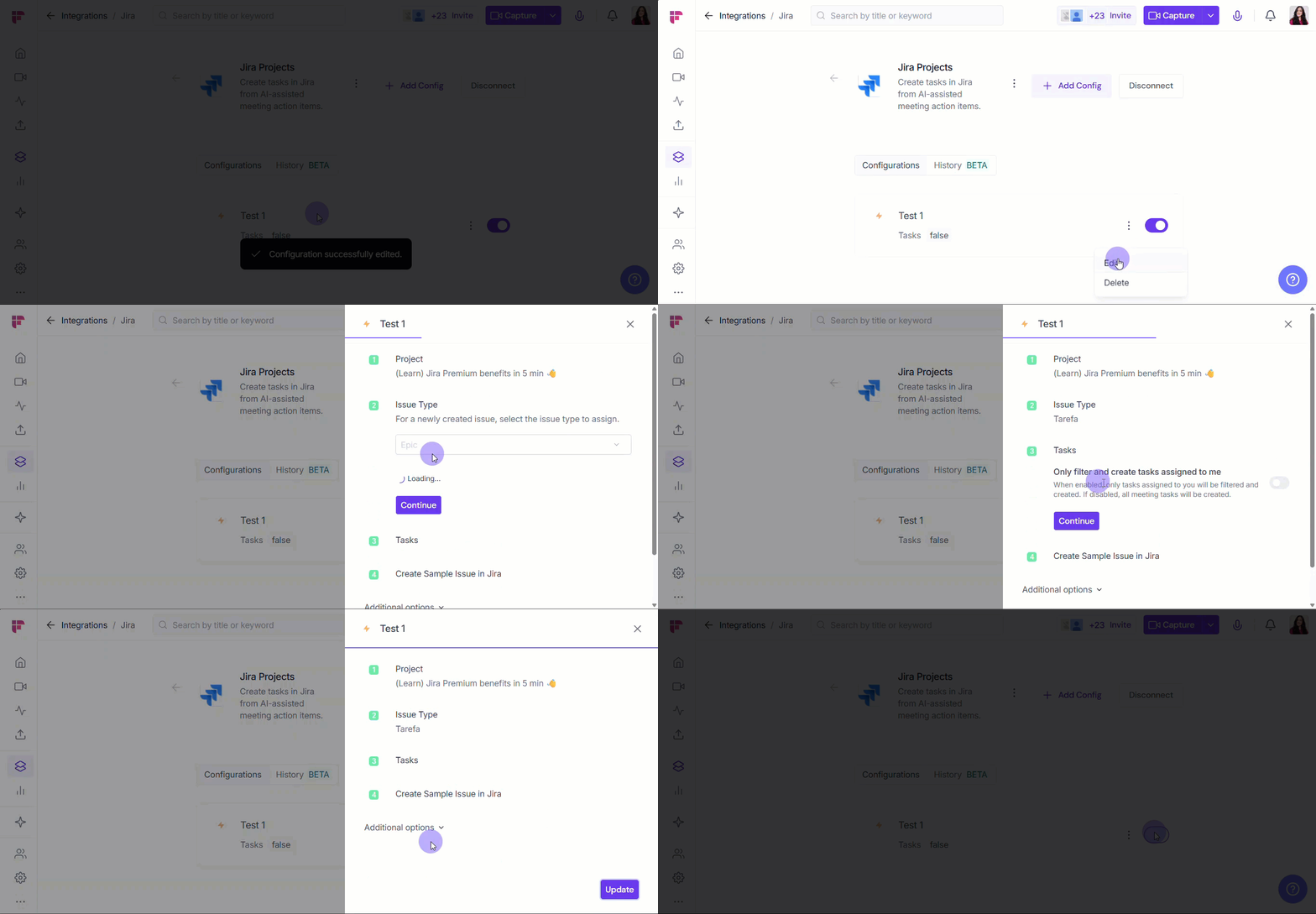
⚙ Edit Configuration Settings → Need to adjust where your meeting data goes or how it's organized? Click the vertical ellipsis (⋮) next to a configuration, select Edit, update the project, or modify any other settings (e.g., which meetings these rules apply), and click Update to save.
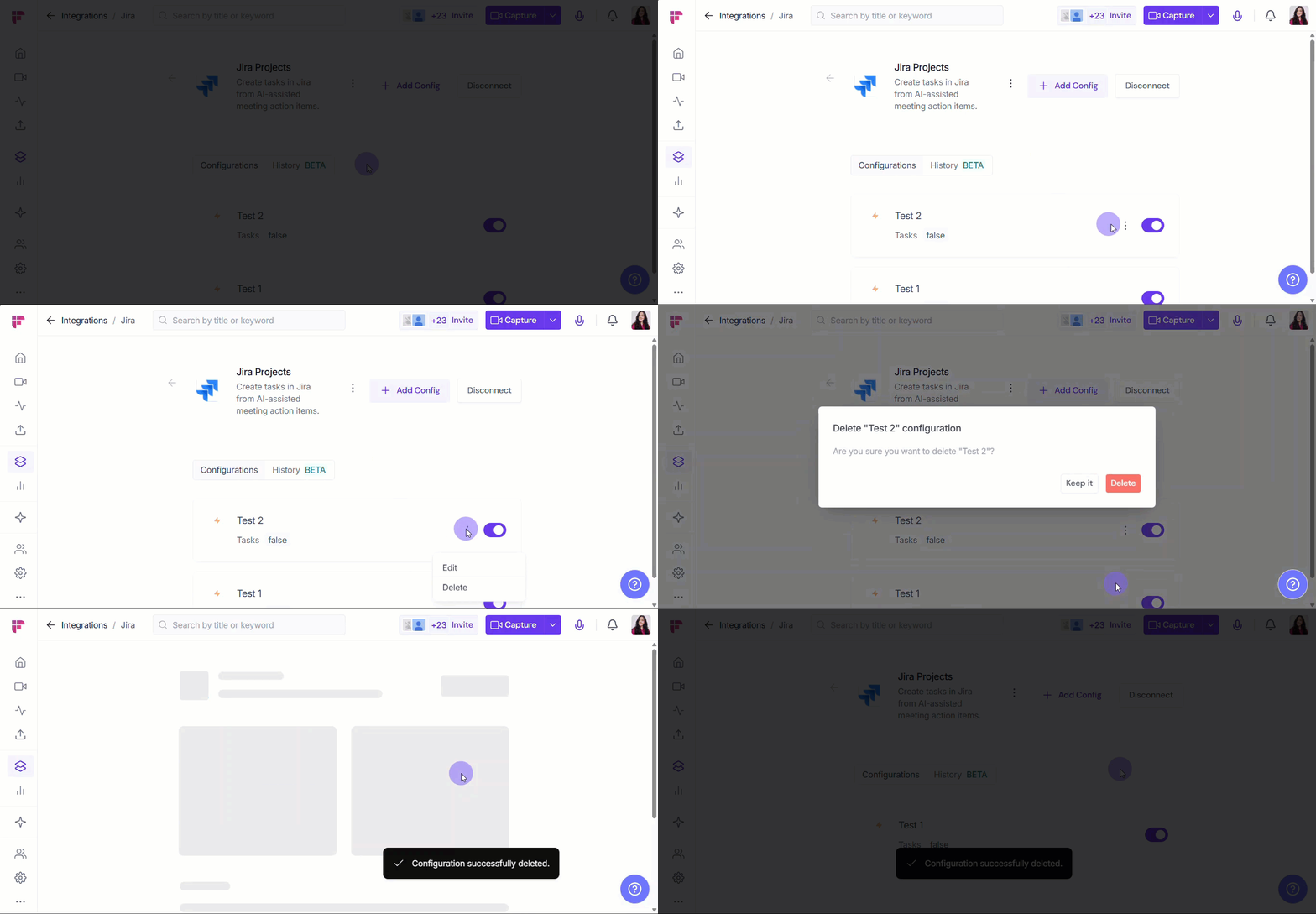
🗑 Delete Configuration → If a configuration is no longer useful, you can safely delete it. Click the vertical ellipsis (⋮) next to the configuration, select Delete, and confirm.
Deleting a configuration means Fireflies will no longer send data to that Jira project. Make sure it’s no longer needed before you remove it.
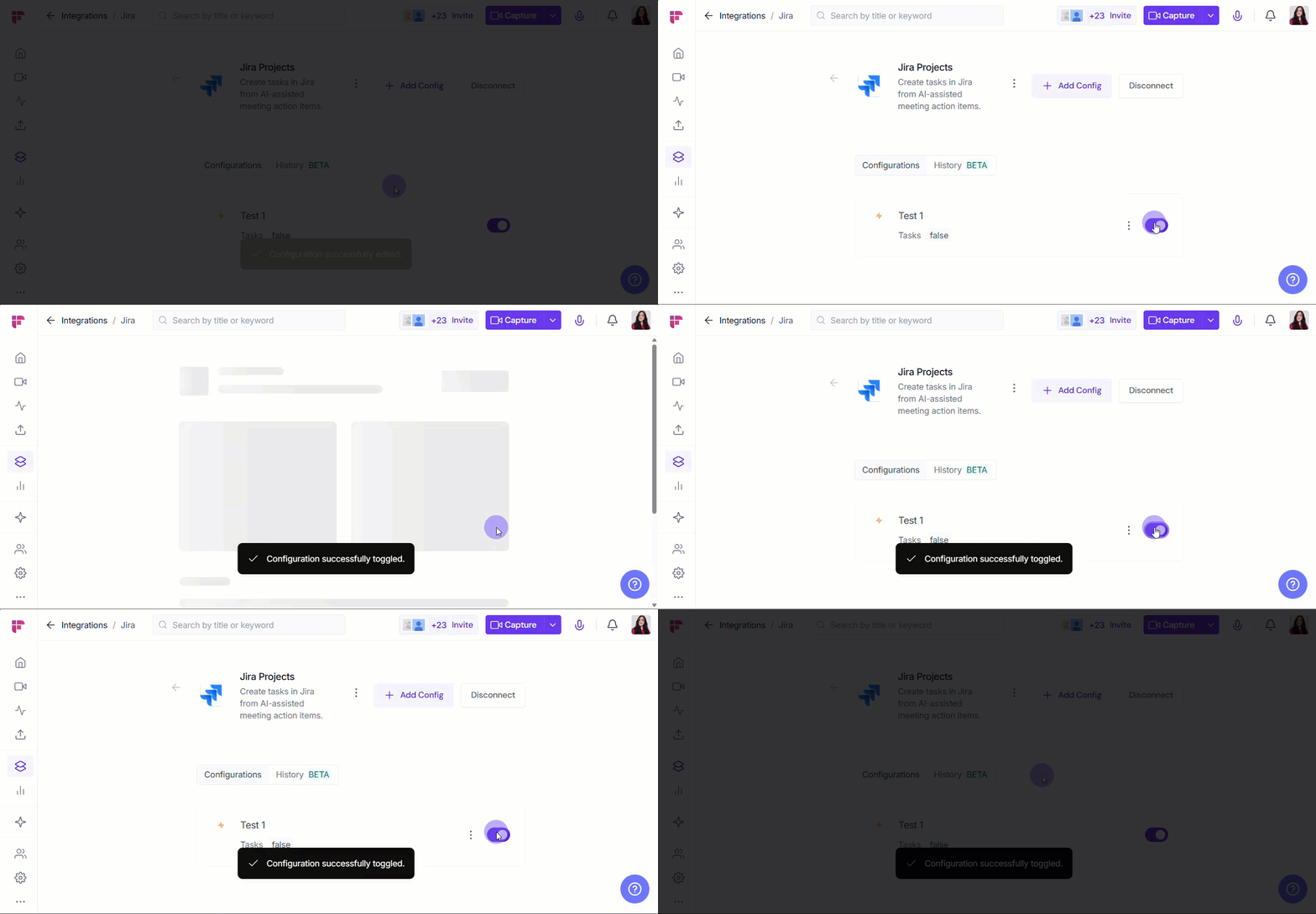
🔘 Enable or Disable a Configuration → Use the toggle switch next to a configuration to quickly control it. Toggle ON to deliver meeting data to the linked project; toggle OFF to pause without deleting.
This is handy if you’ve connected multiple projects and only want one active at a time. Fireflies remembers your settings when you turn configurations back on.
📤 How Data Appears in Jira
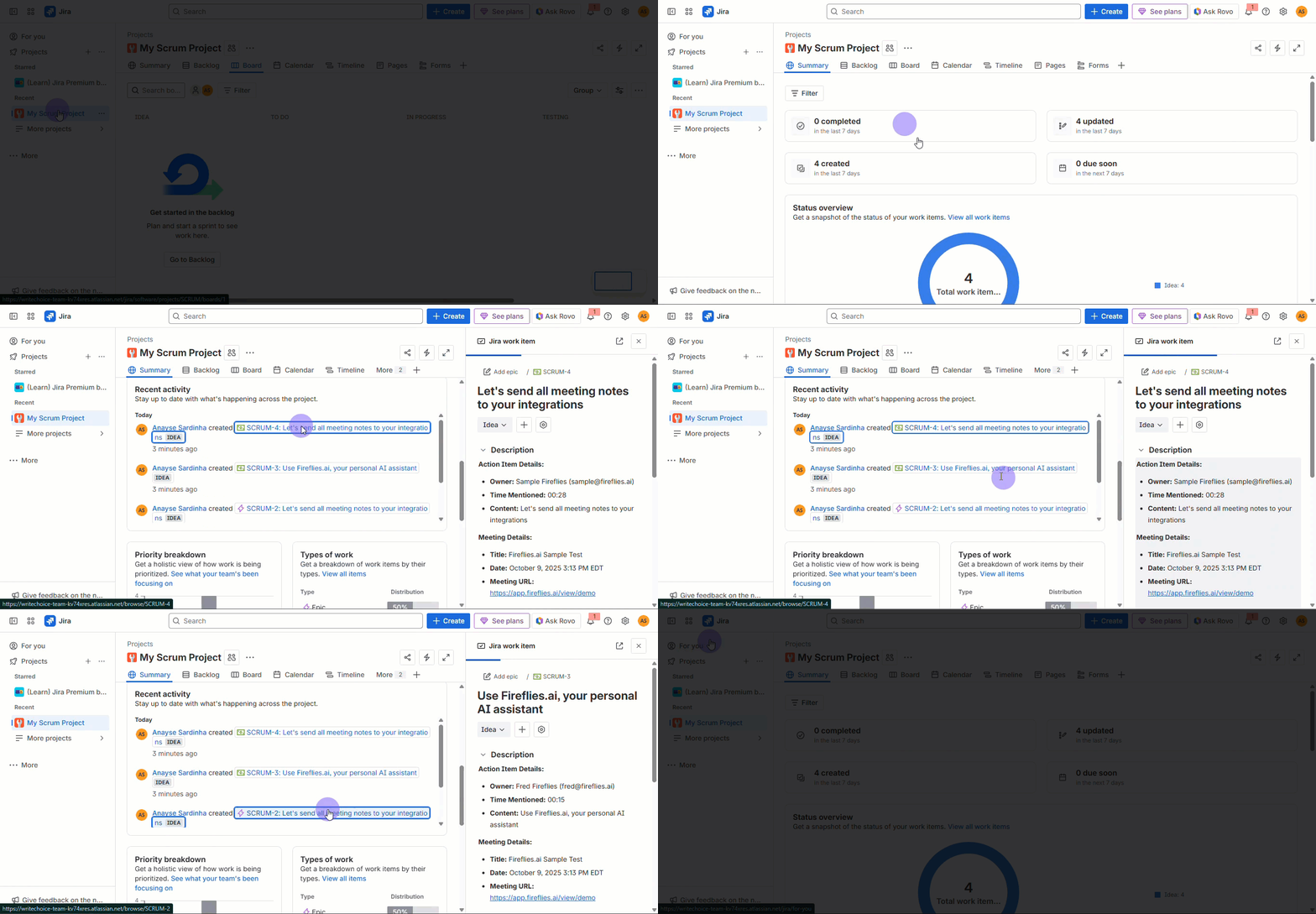
Once Fireflies processes your meeting and detects action items, it automatically creates issues in the Jira project you selected during setup. You'll find these issues instantly logged, keeping your to-do list organized and ready for action.
To find them, simply go to the specific project you linked in Jira.
⏪ Push Past Meetings to Jira
Sometimes, the meetings you want in Jira happened before you connected the integration. Whether you enabled the integration later or want to add older meeting notes to Jira, Push Past Meetings lets you choose a date range and meeting type, then send those meetings in just a few clicks.
Note: Make sure you've connected Jira and created at least one push configuration before using Push Past Meetings. If you haven't, complete the Setting Up Your Configuration section above first.
Follow the steps below to push past meetings to Jira.
From the Jira integration page, click Push past meetings.

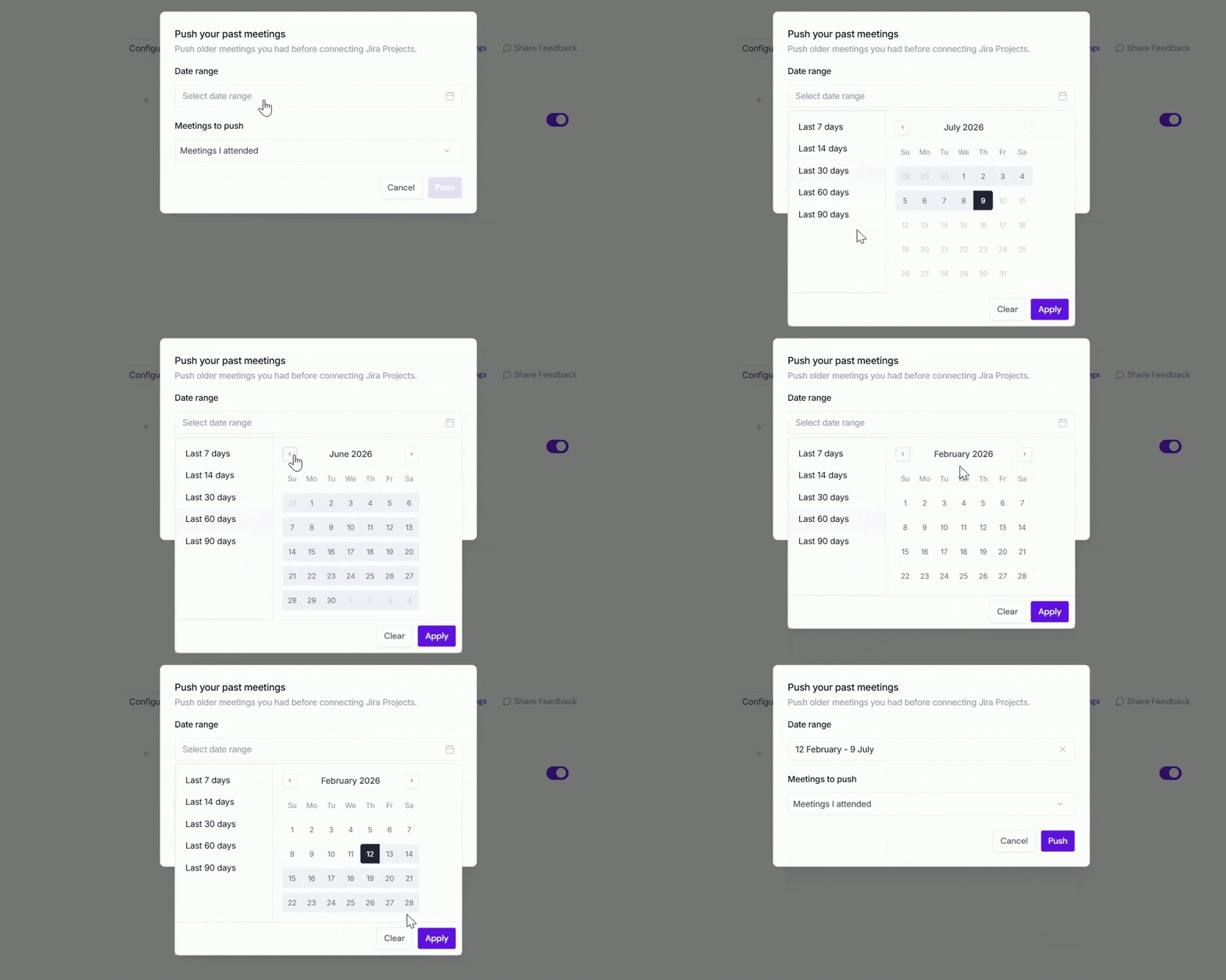
A dialog box will appear. Choose the following:
Date range → Select the meetings you want to send by choosing Last 7, 14, 30, 60, or 90 days, or specify a custom date range.
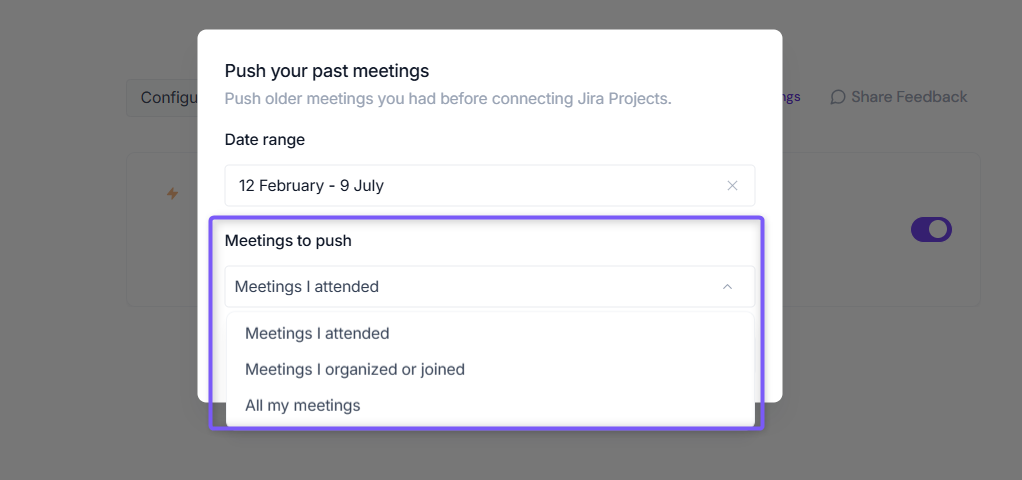
Meetings to push → Choose whether to push Meetings I attended, Meetings I organized or joined, or All my meetings.
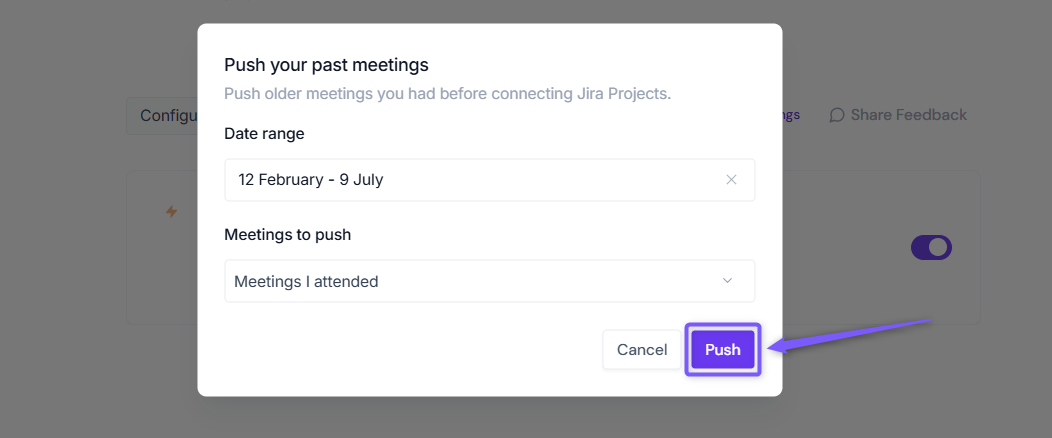
Click Push. Fireflies will send the matching meeting notes to Jira using your existing configuration settings.
Meetings recorded after you connect Jira are sent automatically. Push Past Meetings is only needed for meetings that happened before the integration was connected.
✅ Send AI Skill Outputs to Jira
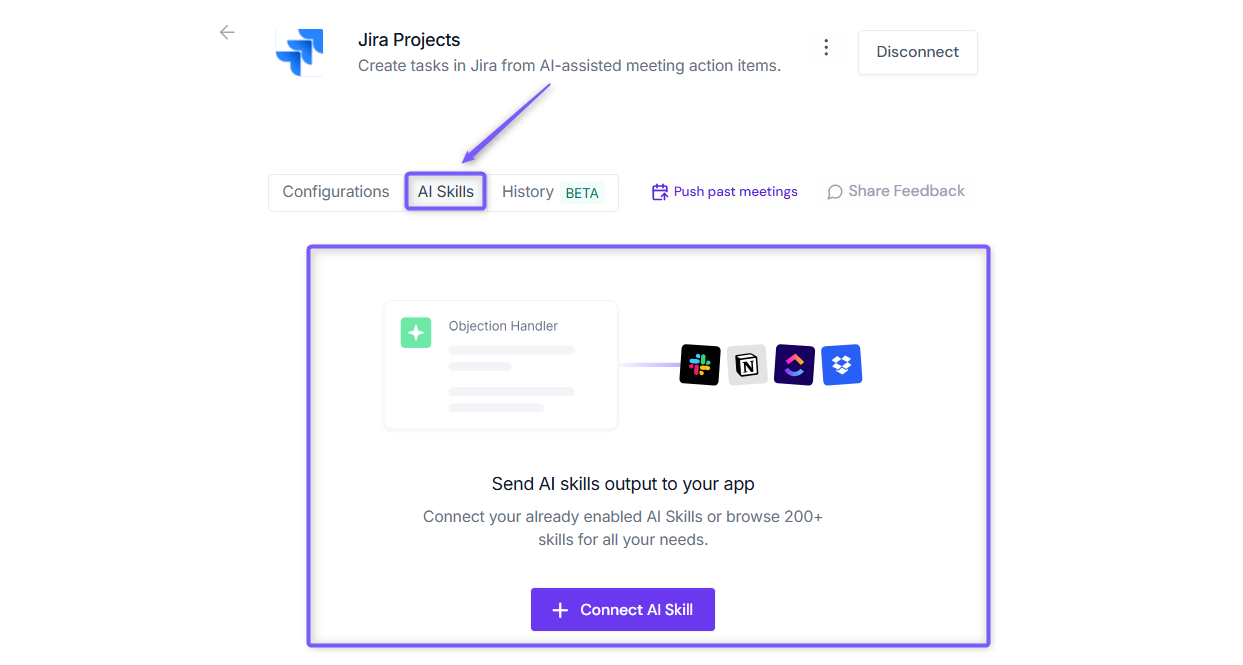
Want to send more than just meeting notes to Salesforce? Fireflies also allows you to send AI Skill outputs directly to your connected Jira account.
This is helpful when you want custom AI-generated content, such as project updates, customer insights, follow-up emails, call analyses, or action item reports, automatically logged to Jira for your team to review and act on.
👉 Learn how: Send AI Skill Outputs to Any Integrated Tool.
❌ Disconnect Integration
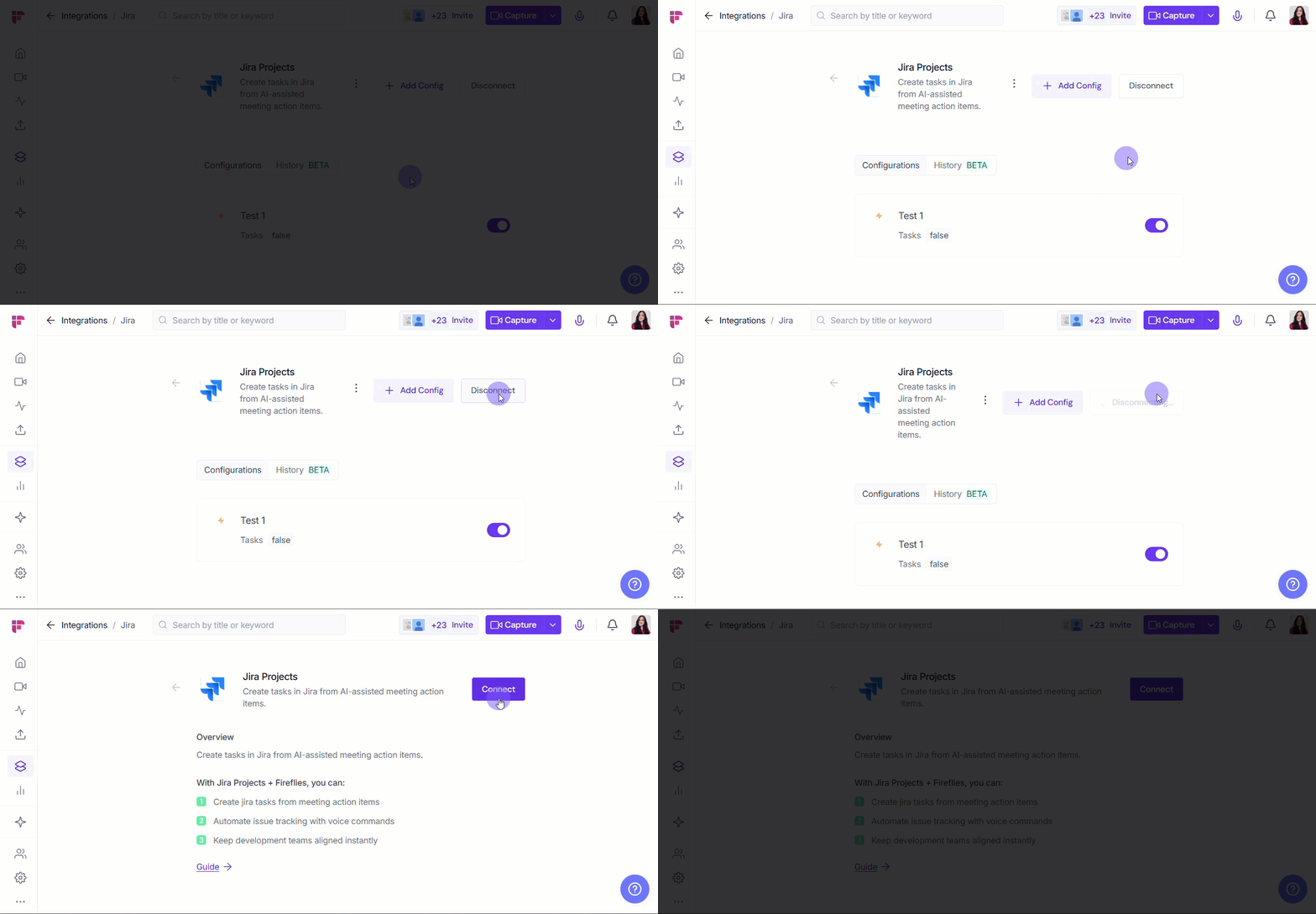
If you no longer need Fireflies connected to Jira, click the Disconnect button to immediately end the connection.
Once disconnected, Fireflies will stop sending data to Jira. You can always reconnect later if needed.
❓ Frequently Asked Questions (FAQ)
Q1. How does Fireflies assign the issue owner in Jira? Fireflies automatically uses the participant who was assigned the action item in the meeting as the owner for the Jira issue. If an action item is general, the meeting host is typically set as the owner.
Q2. Can I send bugs or stories instead of just tasks? Yes! During the configuration process (Step 2: Select the Issue Type), you choose exactly what type of issue Fireflies creates. This can be a Task, Bug, Story, or any custom issue type available in your project.
Q3. Does the Jira integration work with both Server/Data Center and Cloud versions? The Fireflies integration is built to work seamlessly with the Jira Cloud platform.
Q4. If I edit an action item in the Fireflies dashboard, will it update the Jira issue? No. The integration is a one-way sync that creates the issue upon meeting completion. Any changes you make to the task must be completed directly within Jira.
Q5. Can I connect to multiple Jira projects at once? Yes! After completing the first configuration, click + Add Config on the Jira integration page and follow the steps again to link to a different project and issue type.
🔄 Recap
You've successfully connected Fireflies and Jira! You're now ready to turn all your meeting action items into clear, trackable issues for your team.
Remember, the Fireflies + Jira integration keeps your meeting action items:
Automated, by instantly creating new Jira issues (Tasks, Bugs, etc.) directly from action items captured in your meetings.
Customizable, by allowing you to specify the Project and Issue Type during setup, and using Additional Options to filter tasks only for you.
Verified, by using the Create a sample issue test to intelligently confirm your data is flowing correctly before your next call starts.
📚 Related Guides
📌 How to control autojoin and email settings for teammates → Manage how Fireflies joins calls and sends recaps for your entire workspace.
📌 How to invite Fireflies to meetings → Learn the different ways to invite Fireflies to record your calls.
📌 Learn about the Fireflies Auto-join and Email Recap settings → Control your personal preferences for when Fireflies joins meetings and sends summaries.
📌 Manually Send Fireflies Tasks to Project Management Tools → Choose exactly which tasks to push and where, giving you full control over your project boards.